The ideal mowing frequency depends on your grass type and growth rate, but most lawns benefit from mowing every five to seven days during peak growing season. Knowing how often mow lawn schedules should change throughout the year helps maintain proper grass height, encourages dense growth, and prevents stress on your turf. Following a consistent schedule tailored to your specific conditions creates a healthier, more resilient yard.
Why Mowing Frequency Matters More Than You Think
Regular mowing does more than keep your yard looking neat. Each time you cut grass, you trigger a response in the plant that affects root development, moisture retention, and disease resistance. Cutting too frequently stresses the grass and depletes energy reserves. Waiting too long between cuts forces you to remove too much blade length at once, shocking the plant and leaving it vulnerable to weeds and pests.
The one-third rule serves as the foundation for healthy mowing practices. Never remove more than one-third of the grass blade height in a single cutting. This principle protects the grass crown, maintains photosynthesis capacity, and keeps roots strong. When you violate this rule by letting grass grow too tall, you create brown patches, invite disease, and weaken the entire lawn.
Understanding Grass Growth Patterns on Long Island
Long Island lawns typically feature cool-season grasses like Kentucky bluegrass, perennial ryegrass, and fine fescue. These varieties thrive in spring and fall when temperatures range between 60 and 75 degrees. During these peak periods, growth accelerates rapidly and your mowing schedule needs to match that pace.
Summer heat slows growth considerably as cool-season grasses enter semi-dormancy to conserve energy. Winter brings growth nearly to a halt, though mild spells can trigger occasional activity. Understanding these natural cycles helps you adjust your property maintenance routine throughout the year rather than sticking to a rigid calendar.
Spring Mowing Schedule for Peak Growth
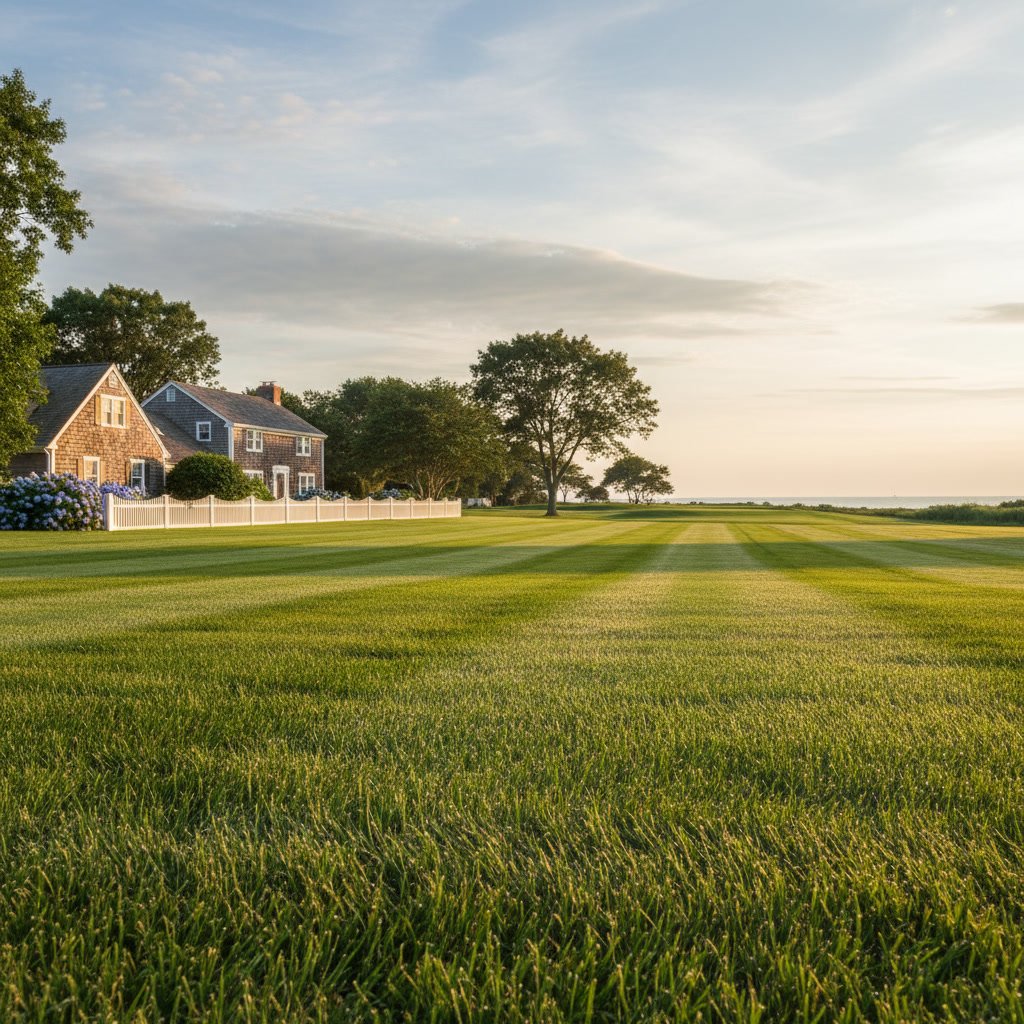
April through June represents the busiest mowing season for Long Island homeowners. Grass grows vigorously during this period, often gaining an inch or more per week. Plan to mow every five to seven days to keep pace with this growth without violating the one-third rule.
Start your spring routine after performing dethatching and aeration services, which prepare the soil for healthy growth. Set your mower blade higher in early spring, around three inches, to protect new growth and allow the grass to develop strong roots. As temperatures warm and growth stabilizes, you can adjust to your preferred height within the recommended range for your grass type.
Rain patterns heavily influence spring mowing frequency. Wet springs accelerate growth and may require mowing twice per week during peak periods. Drier springs slow growth slightly, allowing you to extend the interval to seven or eight days safely.
Summer Lawn Care Adjustments
July and August heat changes everything. Cool-season grasses slow their growth rate by 50 percent or more compared to spring peaks. Your mowing frequency can drop to every 10 to 14 days during the hottest weeks without letting grass get too long.
Raise your mower blade to 3.5 or even four inches during summer heat. Taller grass shades soil, reduces water evaporation, and protects roots from temperature stress. This height adjustment matters more than mowing frequency when helping your lawn survive summer without damage.
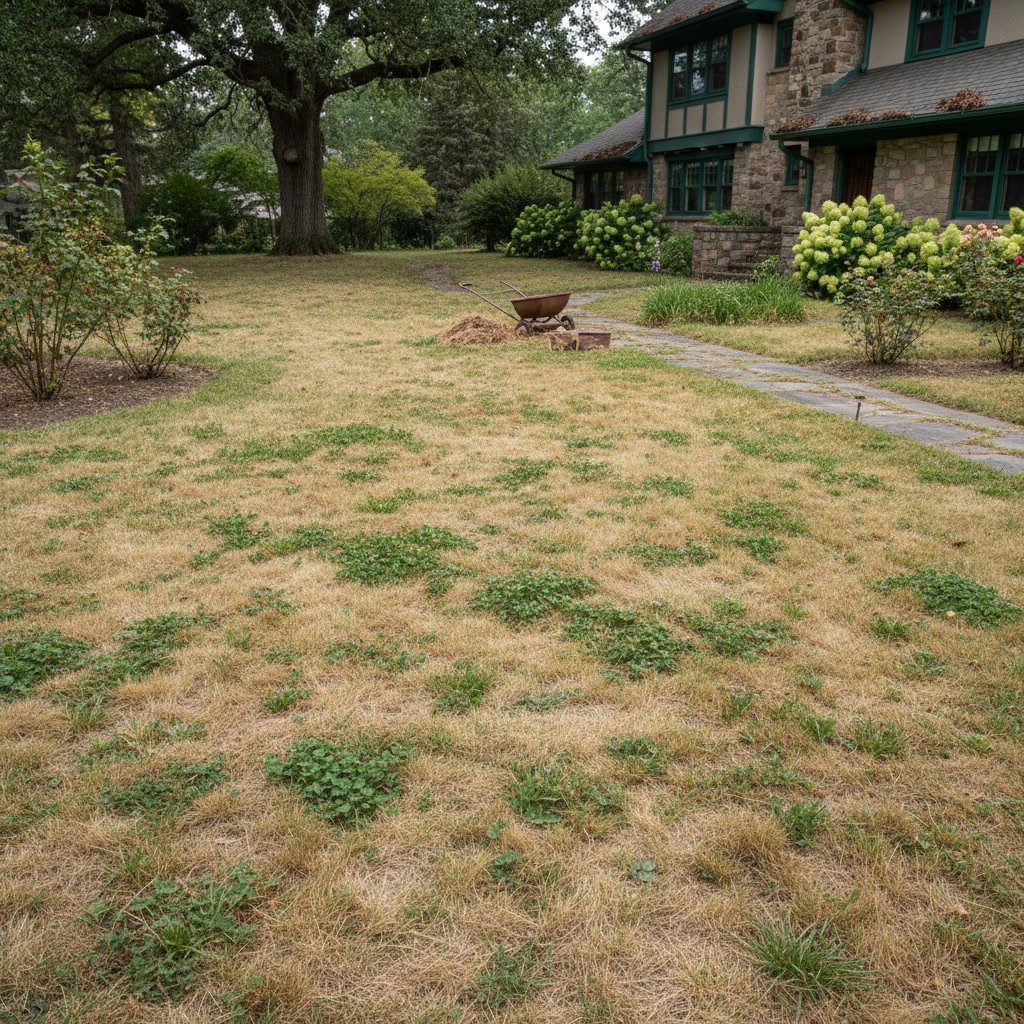
Skip mowing during drought stress periods when grass turns brown and crunchy. Cutting dormant grass causes unnecessary damage and provides no benefit. Wait until rain returns and green growth resumes before mowing again.
Fall Mowing Strategy for Lindenhurst Lawns
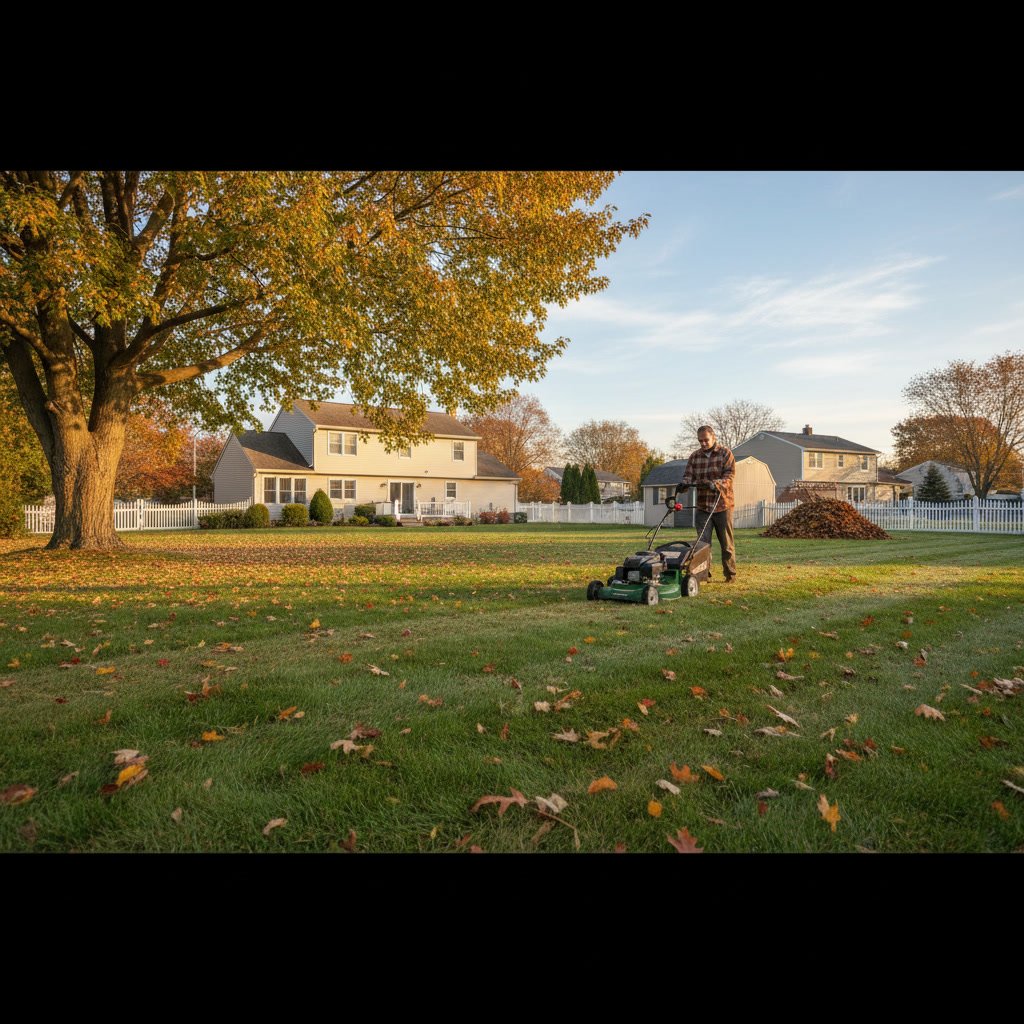
September and October bring a second growth surge as temperatures cool and rainfall typically increases. Grass grows almost as vigorously as spring, requiring a return to five to seven day mowing intervals. This period offers your best opportunity to thicken turf and prepare for winter.
Professional lawn and landscape care focuses heavily on fall maintenance because healthy autumn growth directly impacts spring recovery. Gradually lower your blade height as fall progresses, ending the season at 2.5 inches for the final cut. This lower height reduces snow mold risk and prevents matting under winter snow.
Continue mowing until grass stops growing completely, usually in late November. Many homeowners stop too early, allowing fall growth to get too long before winter arrives.
Seasonal Mowing Calendar at a Glance
A practical schedule for Long Island lawns breaks down as follows across the growing season:
- Early Spring (March to April): Every 10 to 14 days as growth begins
- Late Spring (May to June): Every five to seven days during peak growth
- Summer (July to August): Every 10 to 14 days as growth slows
- Early Fall (September to October): Every five to seven days during second growth surge
- Late Fall (November): Every 10 to 14 days until growth stops
- Winter (December to February): No mowing required
These intervals serve as starting points. Adjust based on actual grass height, recent rainfall, and fertilizing applications that can temporarily accelerate growth.
What Happens When You Mow Too Often
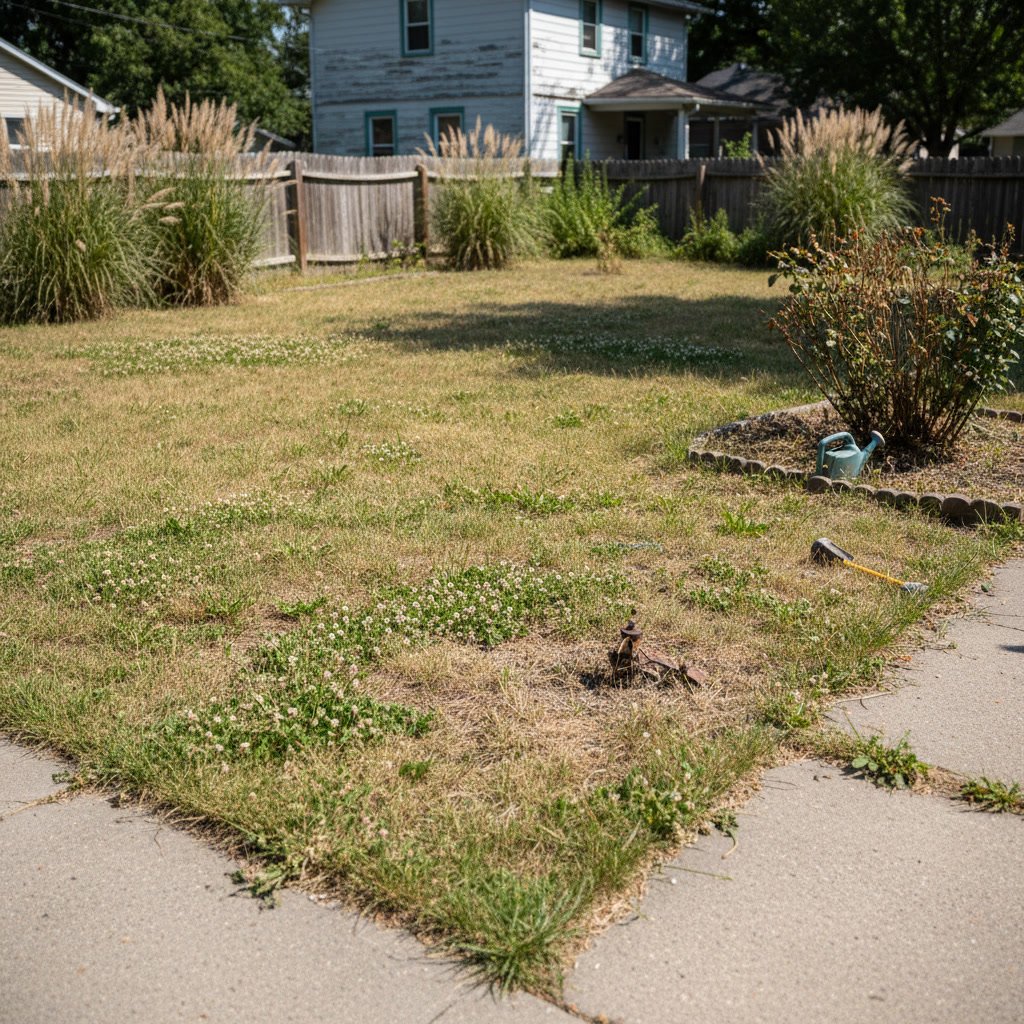
Overzealous mowing creates multiple problems. Cutting grass too short scalps the crown, exposing soil and creating bare patches where weeds establish easily. Frequent scalping weakens roots, reduces drought tolerance, and makes grass more susceptible to disease and insect damage.
Some homeowners believe mowing every three days keeps lawns looking pristine. In reality, this frequency stresses most grass types and forces you to spend unnecessary time and fuel. Save your energy for proper watering, seasonal treatments, and addressing actual problems rather than cutting healthy grass that does not need it.
The Cost of Waiting Too Long Between Cuts
Skipping scheduled mowing creates equally serious issues. When you finally cut overgrown grass, you remove too much blade length and shock the plant. The sudden loss of photosynthetic tissue forces grass to use stored energy reserves to regrow, weakening the entire plant.
Tall grass clippings clump heavily on the lawn surface rather than filtering down to soil level. These clumps smother underlying grass, block sunlight, and create dead patches. You end up needing to rake or bag clippings instead of letting them naturally return nutrients to the soil.
Overgrown lawns also hide uneven terrain, making it easier to scalp high spots when you finally mow. This inconsistent cut creates a patchy appearance that takes weeks to recover.
Professional Insights on Mowing Height and Frequency
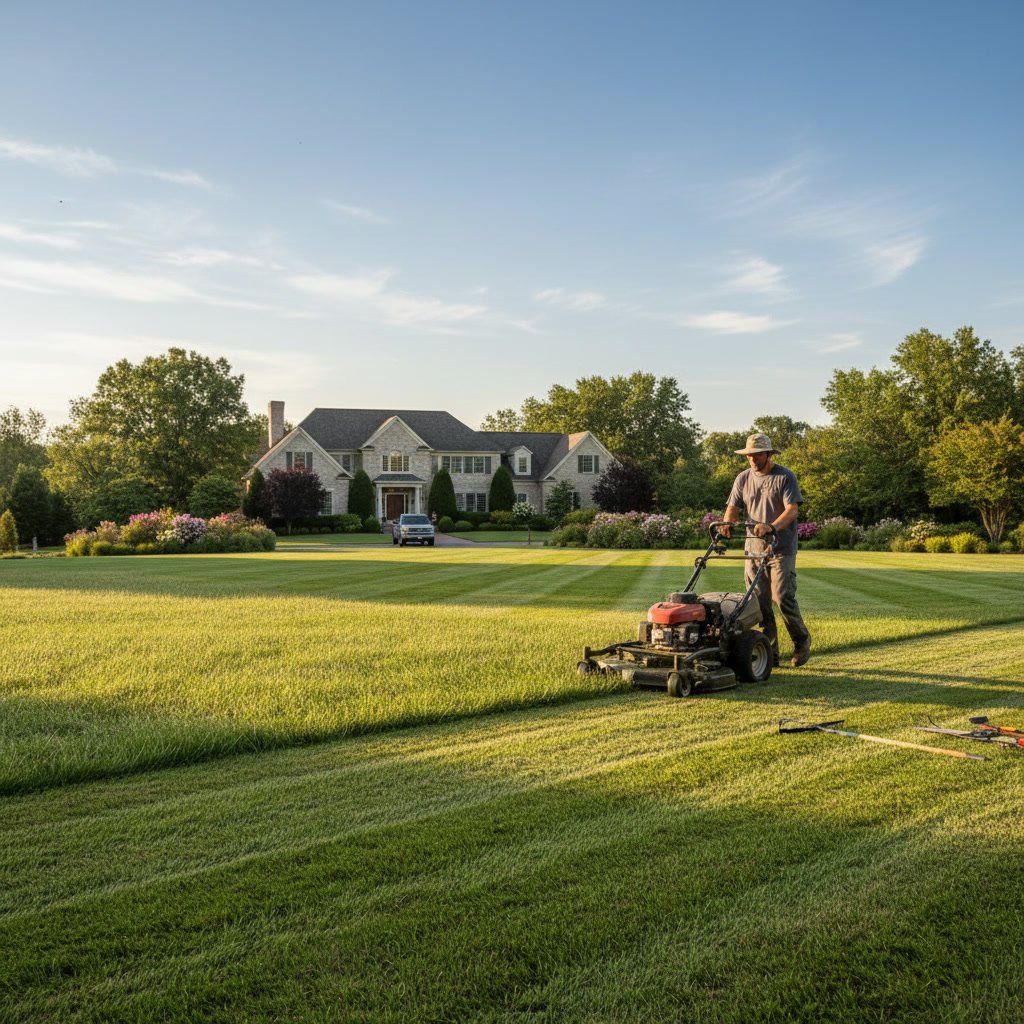
An expert technique often overlooked involves varying your mowing pattern each time you cut. Grass develops a growth pattern that leans toward the direction you typically mow. Changing direction, whether in stripes, diagonals, or checkerboards, encourages more upright growth and better overall density.
Blade sharpness affects how frequently you need to mow more than most homeowners realize. Dull blades tear grass instead of cutting cleanly, creating ragged brown edges that increase water loss and disease entry points. Torn grass takes longer to recover, causing you to wait longer between cuts to maintain proper height ratios. Sharpen mower blades every 20 to 25 hours of use, or roughly every month during peak season.
The interaction between mowing frequency and irrigation timing also deserves attention. Mow before watering rather than after whenever possible. Wet grass clumps more readily, clogs mower decks, and creates uneven cuts. Dry grass stands upright for cleaner cutting and better clipping distribution.
Special Considerations for Newly Installed Lawns
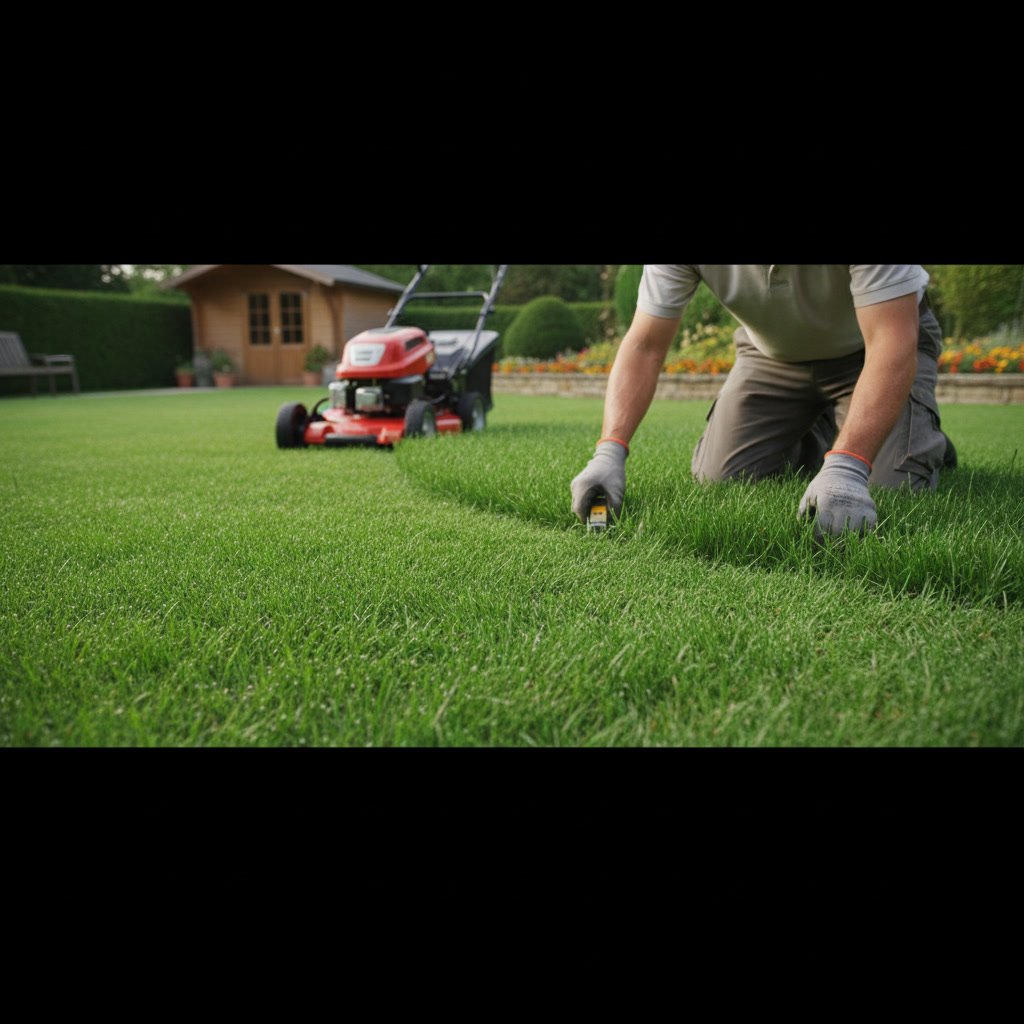
Fresh sod or newly seeded areas require modified mowing schedules. Wait until new grass reaches four inches before the first cut, and only remove a quarter of the blade height instead of the usual one-third. This gentler approach protects tender new growth and shallow roots that have not fully established.
Plan your sod installation timing to minimize stress on new grass. Understanding when conditions favor establishment helps ensure your new lawn tolerates regular mowing quickly.
Increase mowing frequency gradually as new grass strengthens. Start with 10 to 14 day intervals, move to weekly cutting after four weeks, and reach normal five to seven day schedules once the lawn fully matures at eight to 10 weeks post-installation.
When to Adjust Your Schedule Beyond Season
Certain situations require temporary changes to your regular mowing frequency. After applying nitrogen-rich fertilizers, grass growth surges for two to three weeks. Increase mowing frequency during this period to prevent excessive growth that violates the one-third rule.
Extended dry periods without irrigation slow growth significantly. Reduce mowing frequency or skip cuts entirely rather than cutting stressed grass. Similarly, after heavy rain events that saturate soil, wait an extra day or two for ground to firm up before mowing to prevent rutting and compaction.
If you hire professionals for seasonal cleanup services, coordinate your mowing schedule around these visits. Spring cleanup removes winter debris and thatch, allowing you to start the season with a clean slate and consistent mowing height.
Keeping Your Yard Healthy Year Round
Consistent mowing frequency forms just one component of comprehensive lawn health. The best results come from integrating proper cutting schedules with adequate watering, appropriate fertilization, and timely aeration. Each element supports the others to create resilient turf that tolerates stress and resists problems.
Track your actual mowing dates and grass height measurements for several months. This record reveals patterns specific to your property, soil type, and microclimate that generic schedules cannot capture. Adjust your routine based on real data rather than assumptions about what should work.
Quality lawn care requires attention to detail and consistent effort throughout the growing season. Whether you handle maintenance yourself or work with professionals, understanding the reasoning behind mowing frequency helps you make better decisions and achieve the healthy, attractive yard you want.
Clean Cut Landscaping LLC serves homeowners throughout Long Island with comprehensive lawn care solutions tailored to local conditions and grass types. Our team brings over a decade of experience to every property, ensuring your lawn receives the right care at the right time. Contact us at +16315301109 to discuss a maintenance schedule that keeps your yard healthy and beautiful all season long.