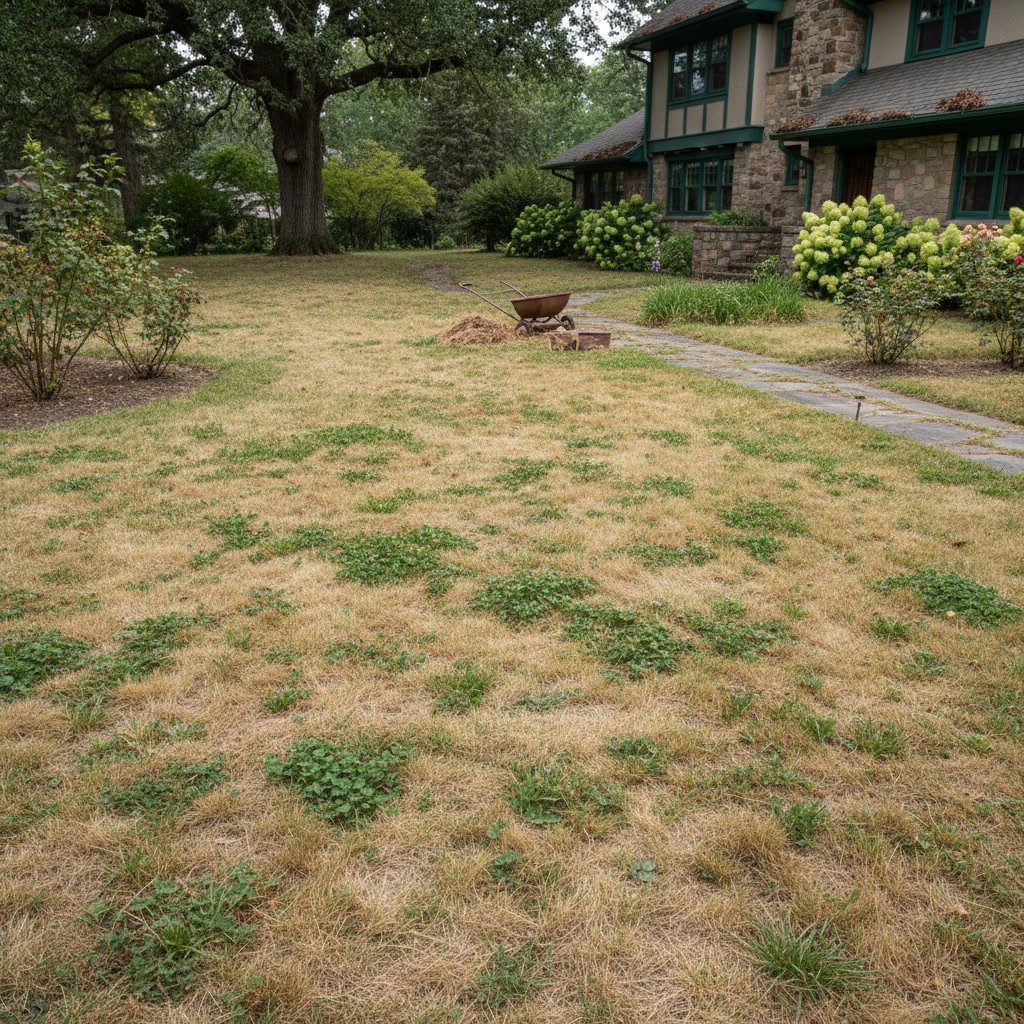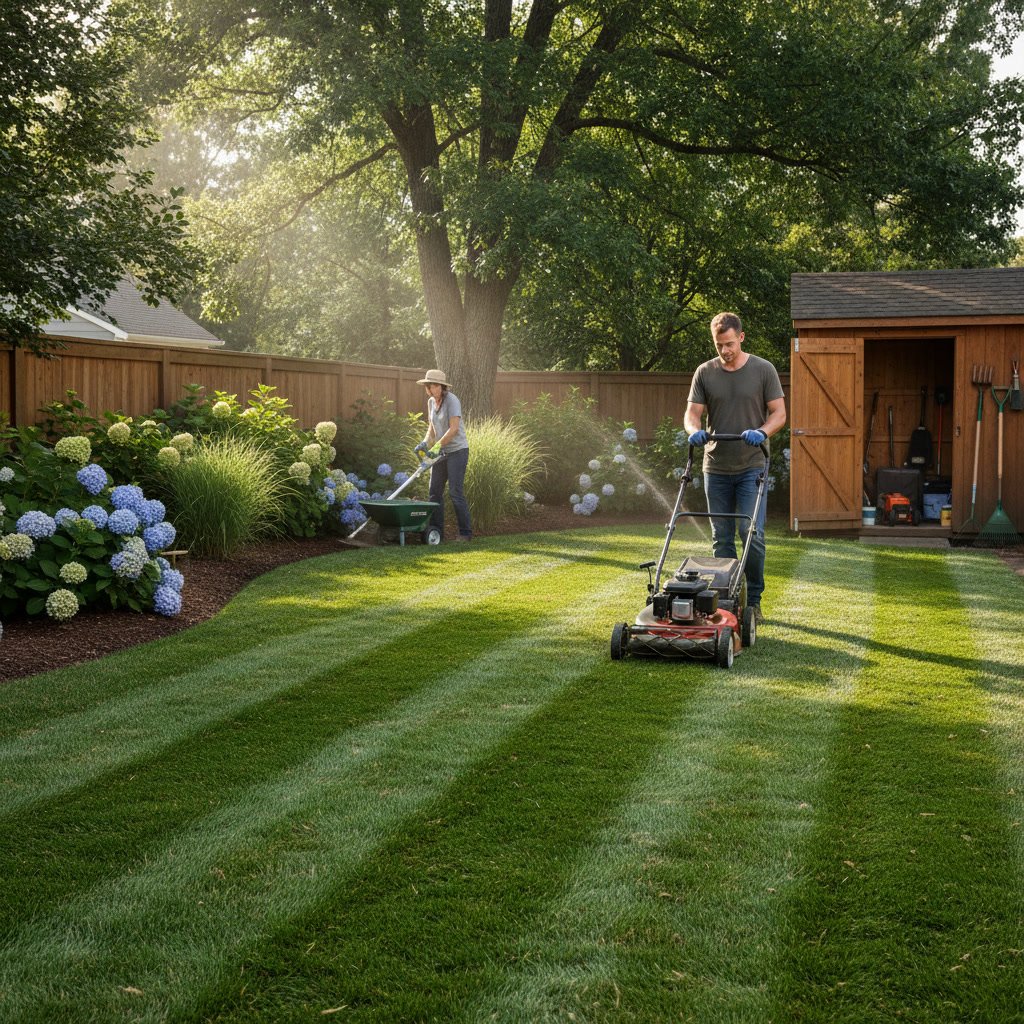
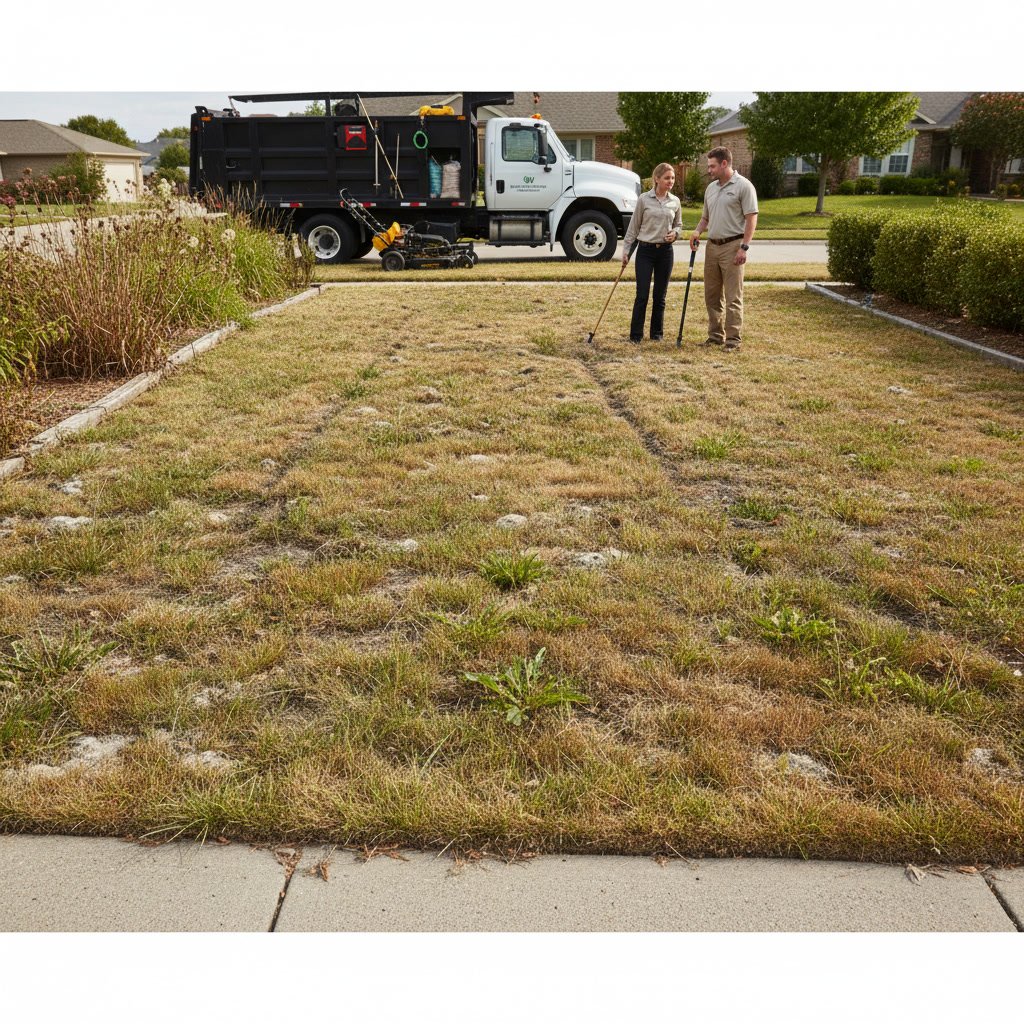
A healthy lawn should be thick, green, and resilient. When brown patches, persistent weeds, and thinning grass appear despite your best efforts, your lawn needs professional care to restore its vitality and address underlying soil, drainage, or pest problems that DIY methods cannot solve. Recognizing the warning signs early can save you time, money, and the frustration of watching your yard deteriorate season after season.
Why Lawns Decline Despite Regular Homeowner Effort
Most homeowners water their grass, mow regularly, and apply fertilizer from the hardware store. Yet lawns still struggle. The problem usually lies beneath the surface. Compacted soil prevents roots from accessing oxygen and water. Poor drainage creates standing water that suffocates grass. Nutrient deficiencies caused by incorrect fertilizer ratios weaken plants, making them vulnerable to disease and insects.
Without soil testing and targeted treatments, you’re guessing at solutions. Professional lawn care providers use calibrated equipment and lab-tested soil analysis to identify the exact problem. They adjust pH levels, break up compaction with specialized machinery, and apply the correct nutrient blend your specific grass type requires.
Understanding the Root Causes of Lawn Stress
Grass plants operate like any living organism. They need air, water, nutrients, and light in precise balance. When one element falls out of alignment, visible symptoms appear weeks or months later. By the time you notice brown patches, the damage has already progressed deep into the root system.
Thatch buildup is a common hidden culprit. This layer of dead grass stems and roots accumulates above the soil line, blocking water and fertilizer from reaching roots. Once thatch exceeds half an inch, it creates a barrier that even heavy watering cannot penetrate. Dethatching and aeration services remove this layer and create channels for resources to reach the root zone.
Brown Patches That Spread Despite Watering
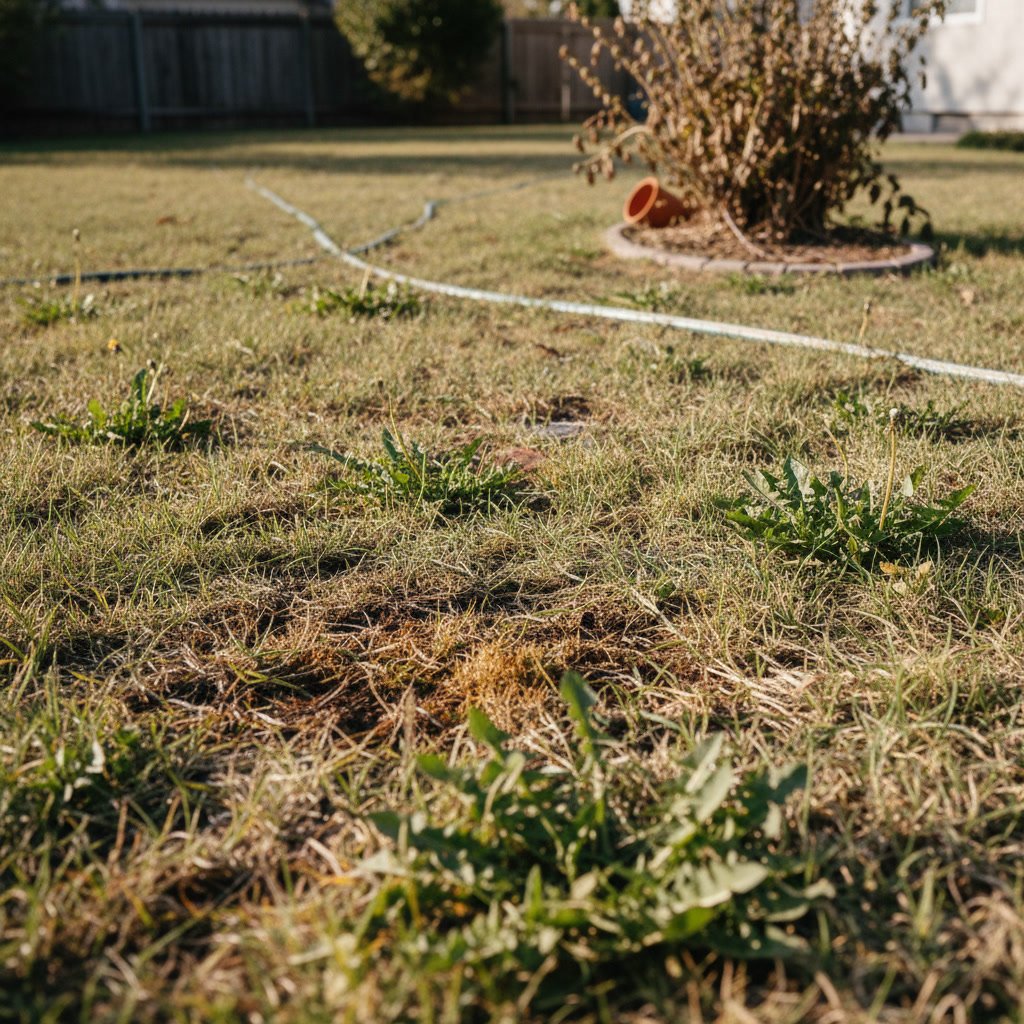
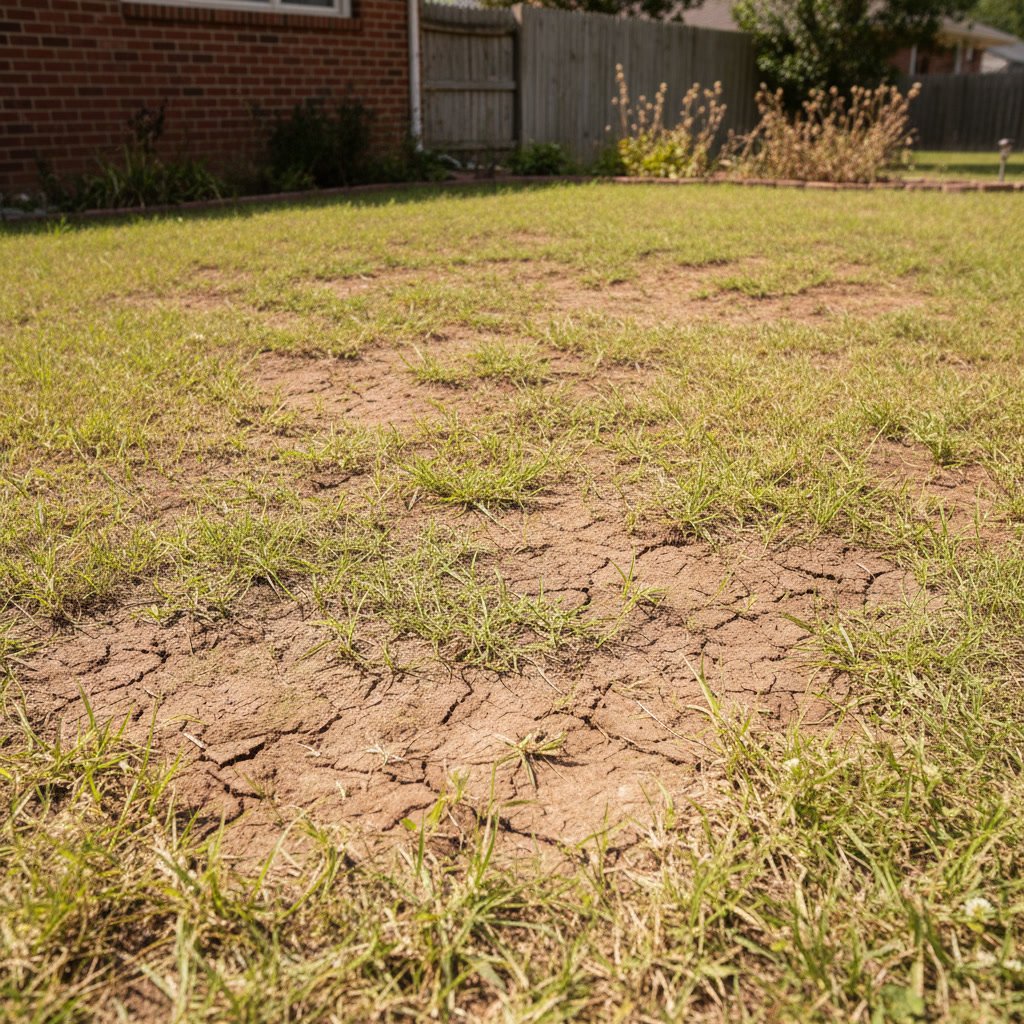
You increase watering frequency, but brown areas expand instead of greening up. This pattern often signals fungal disease, grub infestation, or soil compaction so severe that roots cannot access moisture even when it’s present. Fungal pathogens thrive in humid conditions and spread rapidly through stressed turf.
Grubs, the larval stage of beetles, feed on grass roots below the soil surface. A lawn with grub damage pulls up easily in sections, like loose carpet, because roots have been severed. Professional diagnosis distinguishes between fungus, pests, and abiotic stress, then applies targeted treatments instead of generic products that may worsen the problem.
Weeds Outcompeting Your Grass
A few dandelions are normal. When clover, crabgrass, and broadleaf weeds cover more than 30 percent of your lawn, the grass is losing the competition for light, water, and nutrients. Weeds thrive in conditions that stress desirable grasses, particularly acidic soil, compacted earth, and under-fertilized turf.
Broadcast weed killers from retail stores often damage grass along with weeds, creating bare spots that invite more weed seeds. Professional treatments use selective herbicides that target specific weed species while protecting grass. Equally important, they address the underlying soil conditions that allowed weeds to establish in the first place.
Thinning Grass and Visible Bare Soil
Healthy turf forms a dense mat that crowds out weeds and resists foot traffic. When you can see bare soil between grass blades, the lawn has lost its competitive edge. Thinning occurs from repeated stress: drought, disease, poor mowing height, or soil depletion.
Overseeding alone won’t fix the issue if soil conditions remain poor. New seed needs good soil contact, consistent moisture, and adequate nutrients to germinate and establish. Professional fertilizing programs prepare the soil, apply starter fertilizer, and time seeding to match optimal growing conditions for your grass variety.
Persistent Puddles and Drainage Problems
Water that stands for more than six hours after rain indicates poor drainage or low spots where gravity collects runoff. Grass roots suffocate in waterlogged soil, creating dead zones that expand each season. Clay-heavy soil common in Long Island makes drainage problems particularly stubborn.
Fixing drainage requires regrading, installing French drains, or amending soil with sand and organic matter to improve percolation. These solutions go far beyond what a homeowner can accomplish with a rake and shovel. Professional topsoil and grading services reshape your yard to direct water away from structures and prevent pooling in turf areas.
Lawn Problems Specific to Lindenhurst and Coastal Properties
Properties near the coast face unique challenges. Salt spray from ocean winds burns grass blades and accumulates in soil, disrupting nutrient uptake. Sandy soil drains quickly, leaching fertilizer before roots can absorb it. High water tables in low-lying areas create perpetually wet conditions that favor moss over grass.
These conditions demand specialized care. Salt-tolerant grass varieties, modified irrigation schedules, and soil amendments tailored to coastal environments make the difference between a struggling lawn and a thriving one. Professionals working in Lindenhurst understand these local factors and adjust their approach accordingly.
When DIY Lawn Care Costs More Than Professional Service
Homeowners often spend hundreds of dollars per year on equipment rentals, fertilizer, seed, and weed control products. A consumer-grade aerator or dethatcher from a rental shop lacks the weight and penetration depth of commercial equipment. You make multiple passes, spend an entire weekend, and still achieve mediocre results.
Professional services spread their equipment costs across hundreds of properties, making per-lawn pricing competitive with DIY expenses. More importantly, they apply treatments at the correct rate and timing. Over-application wastes money and harms the environment. Under-application produces no results. The precision of professional service eliminates guesswork and delivers measurable improvement.
Five Clear Indicators You Should Call a Professional
Certain signs demand immediate expert attention. First, if your lawn has declined for two consecutive seasons despite increased effort, underlying problems require diagnosis. Second, when more than 40 percent of your turf shows damage, spot treatments won’t restore uniformity. Third, if you’ve applied fertilizer and weed control without improvement, you’re likely addressing symptoms rather than causes.
Fourth, drainage issues that create standing water need grading solutions, not more grass seed. Fifth, if your lawn looks noticeably worse than neighboring properties that receive similar sun and water, soil conditions or pest pressure have crossed a threshold requiring professional intervention. Timing matters. Seasonal cleanup combined with soil correction in spring or fall offers the best window for recovery.
What Professional Lawn Analysis Reveals
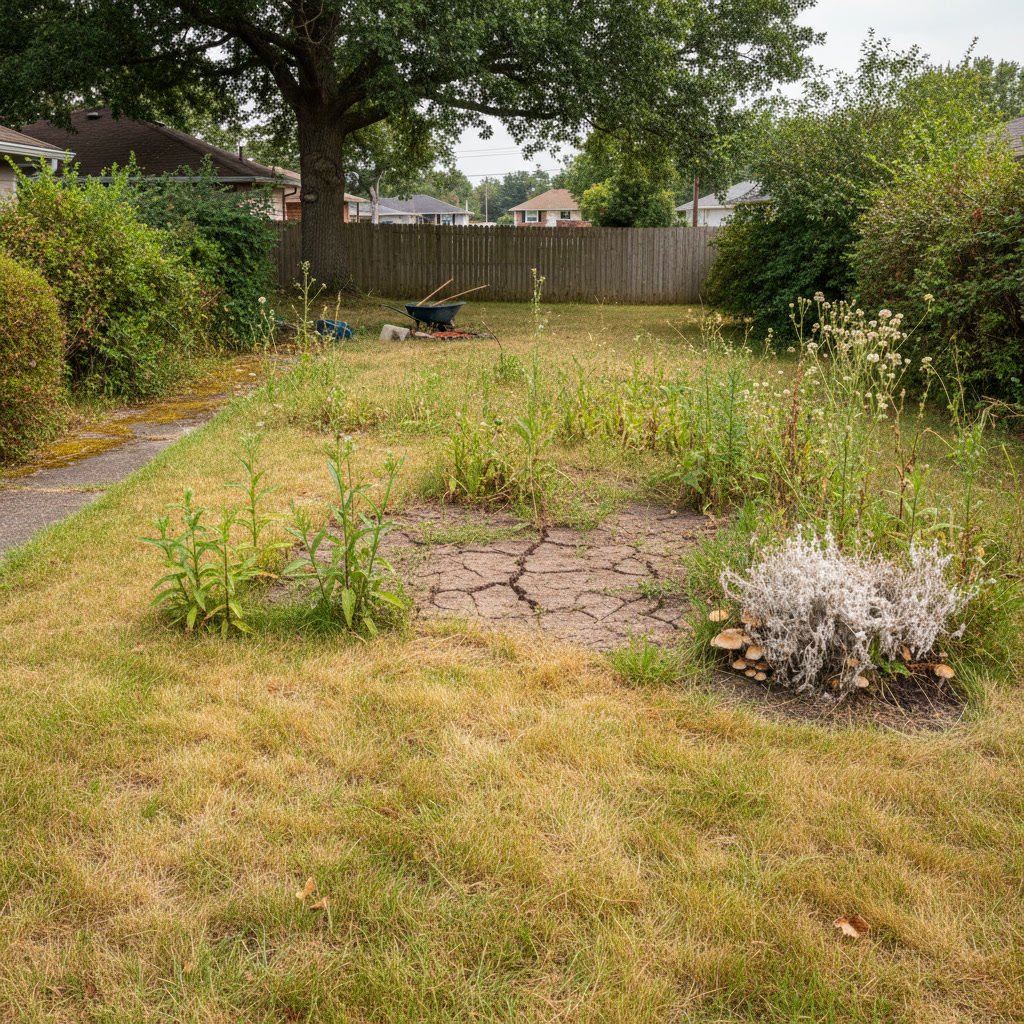
A comprehensive lawn evaluation examines grass type, soil pH, compaction levels, thatch depth, pest presence, and disease symptoms. Professionals take soil samples from multiple zones because conditions vary across a single property. Lab results show precise nutrient levels, allowing targeted amendments instead of generic fertilizer.
Turf density measurements identify weak areas requiring overseeding. Moisture meter readings reveal irrigation inefficiencies. This data-driven approach removes guesswork and creates a customized treatment plan that addresses your specific problems in the correct sequence.
Restoring Your Lawn’s Health and Curb Appeal
Recognizing that your lawn requires expert attention is the first step toward a yard you’re proud to maintain. Professional care addresses root causes rather than surface symptoms, delivering lasting results that DIY efforts cannot match. With proper diagnosis and treatment, even severely damaged turf can recover within one or two growing seasons.
The combination of soil correction, strategic fertilization, pest control, and irrigation management creates conditions where grass thrives naturally. Once your lawn regains its health, maintenance becomes simpler and less time-consuming. You’ll spend less money on emergency treatments and more time enjoying your outdoor space.
Clean Cut Landscaping LLC brings over a decade of specialized experience to residential and commercial properties throughout Long Island. Our team diagnoses lawn problems accurately and implements solutions that restore your turf’s vitality and appearance. Contact us at +16315301109 to schedule a comprehensive lawn evaluation and receive a customized care plan for your property.