A healthy lawn requires more than just routine mowing to thrive. When you notice persistent brown patches, excessive thatch buildup, or soil that drains poorly after rain, your lawn needs professional care to address underlying issues that simple cutting cannot fix. These warning signs indicate problems with soil health, nutrient deficiencies, or structural damage that demand specialized knowledge and equipment to resolve.
Why Regular Mowing Is Not Always Enough
Mowing maintains your grass at an even height and keeps weeds from going to seed, but it does nothing to address what happens beneath the surface. Your lawn is a living ecosystem that depends on proper soil structure, balanced nutrients, adequate water penetration, and healthy root systems. When any of these elements fall out of balance, the visible symptoms appear gradually, often mistaken for simple seasonal stress or drought damage.
Most homeowners invest time in weekly mowing schedules but overlook the fact that turf grass needs cyclical interventions throughout the year. Compacted soil prevents roots from expanding. Thatch layers suffocate new growth. Nutrient depletion leaves grass vulnerable to disease and pests. These problems compound over time, and by the time you notice visible decline, the damage has already progressed well beyond what mowing can remedy.
Understanding the Hidden Stressors in Your Turf
Grass blades are only one part of the plant. The root zone, which extends several inches below the surface, determines the overall health and resilience of your lawn. Heavy foot traffic, clay-heavy soil, and seasonal freeze-thaw cycles all contribute to soil compaction, reducing the pore space that roots need to access oxygen and water. Over time, compacted soil creates an environment where grass struggles to survive, even with weekly mowing and watering.
Thatch, a layer of dead and living organic matter that accumulates between the grass blades and soil surface, poses another hidden challenge. A thin layer of thatch can be beneficial, but when it exceeds half an inch, it blocks water and nutrients from reaching the roots. Dethatching requires specialized equipment that rakes through the turf to remove this buildup without damaging healthy grass. Homeowners often confuse excessive thatch with healthy, thick turf, not realizing the lawn is slowly suffocating.
Persistent Brown Patches and Bare Spots
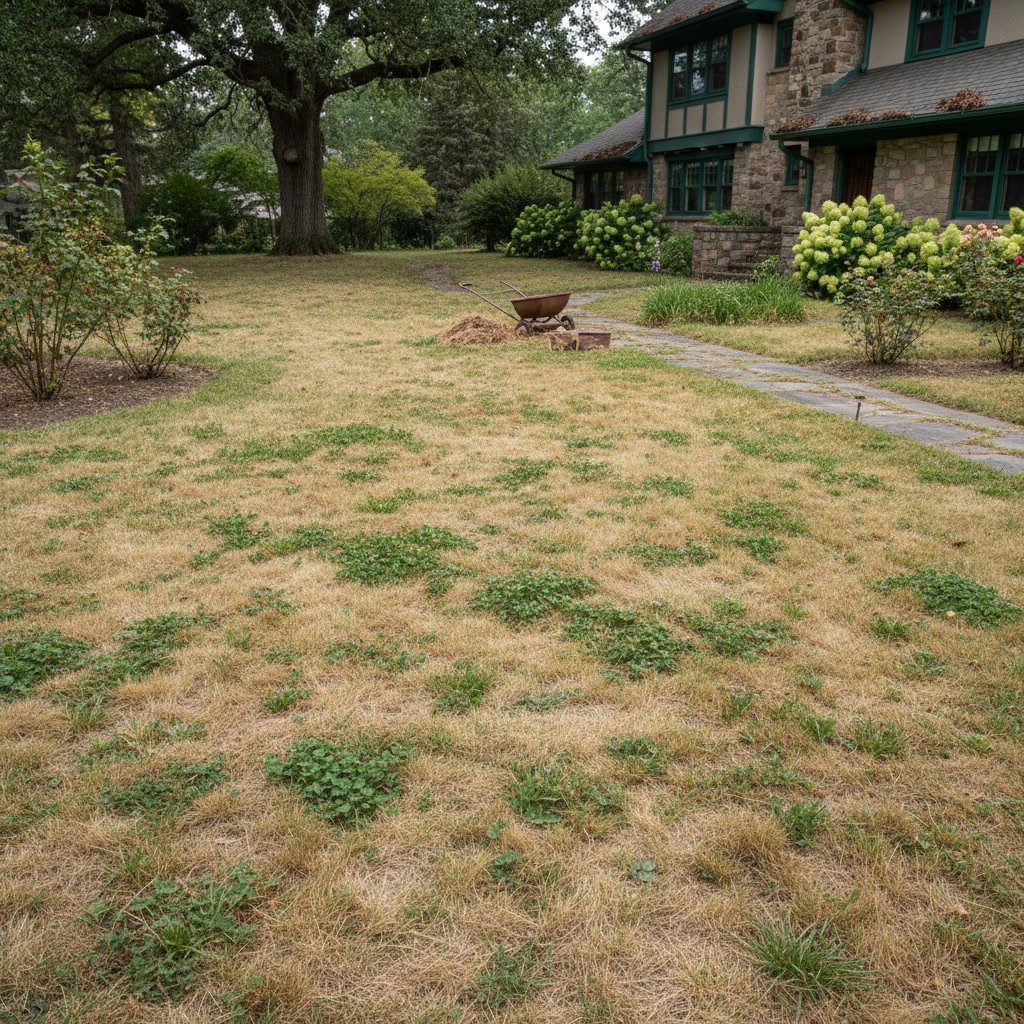
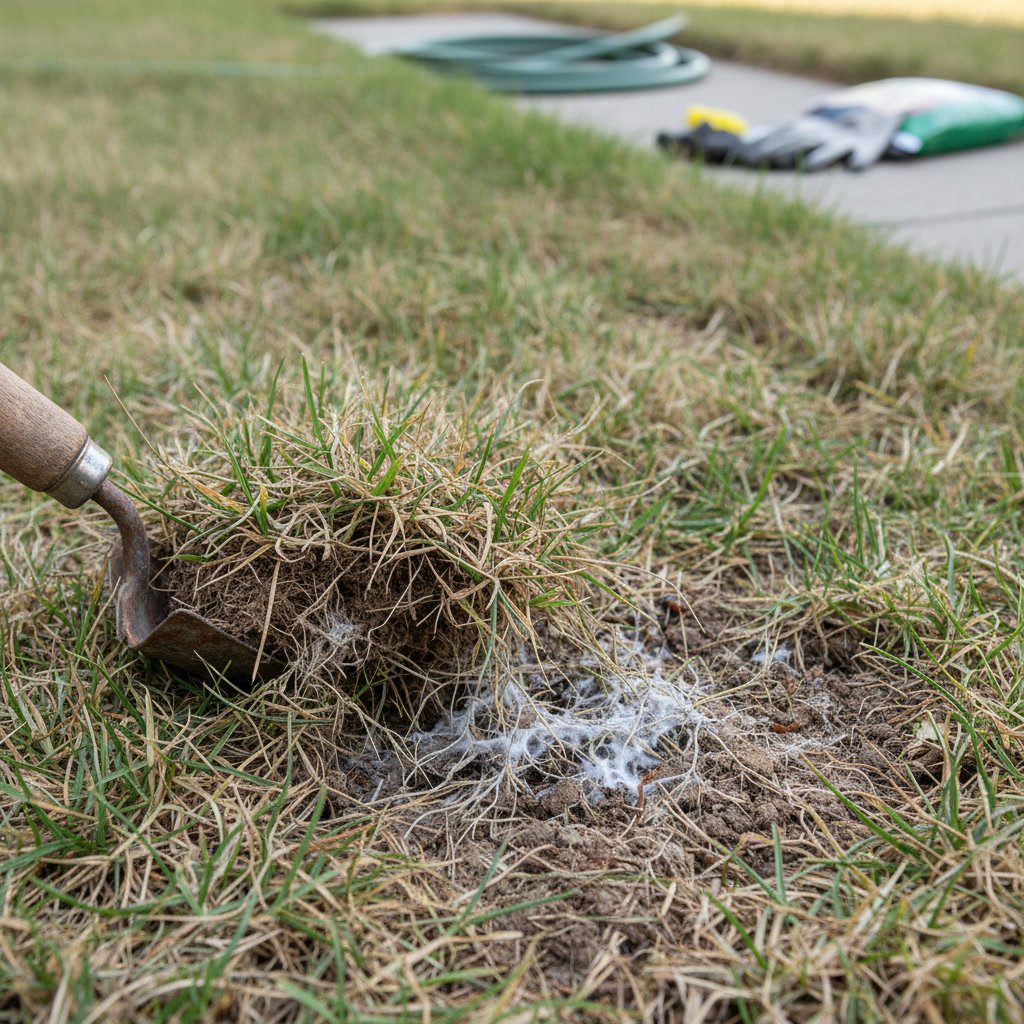
Brown patches that refuse to green up despite regular watering often signal fungal disease, grub infestation, or severe nutrient imbalance. Fungal infections such as brown patch or dollar spot thrive in warm, humid conditions and spread rapidly when soil pH or nitrogen levels are off. These issues require fungicide application, soil testing, and adjustments that go far beyond standard lawn care.
Bare spots that expand year after year indicate deeper problems with soil quality or drainage. Grass will not establish in areas where the soil is too compacted, too acidic, or lacks organic matter. Professional topsoil and grading services can reshape problem areas, improve drainage, and introduce quality soil that supports healthy root development.
Water Pooling and Drainage Problems
If you notice standing water on your lawn hours after a rainstorm, your property has a drainage issue that mowing cannot address. Poor drainage suffocates grass roots, encourages mosquito breeding, and creates muddy, unusable patches. These problems stem from improper grading, compacted subsoil, or the absence of drainage infrastructure.
Professional grading corrects the slope of your property to direct water away from problem areas. In more severe cases, installing a French drain or regrading the entire lawn may be necessary. Homeowners in low-lying areas or properties with heavy clay soil face these challenges regularly, and attempting DIY fixes often makes the problem worse. Proper irrigation design and installation can also prevent overwatering in certain zones while ensuring others receive adequate moisture.
Excessive Weeds That Return Quickly
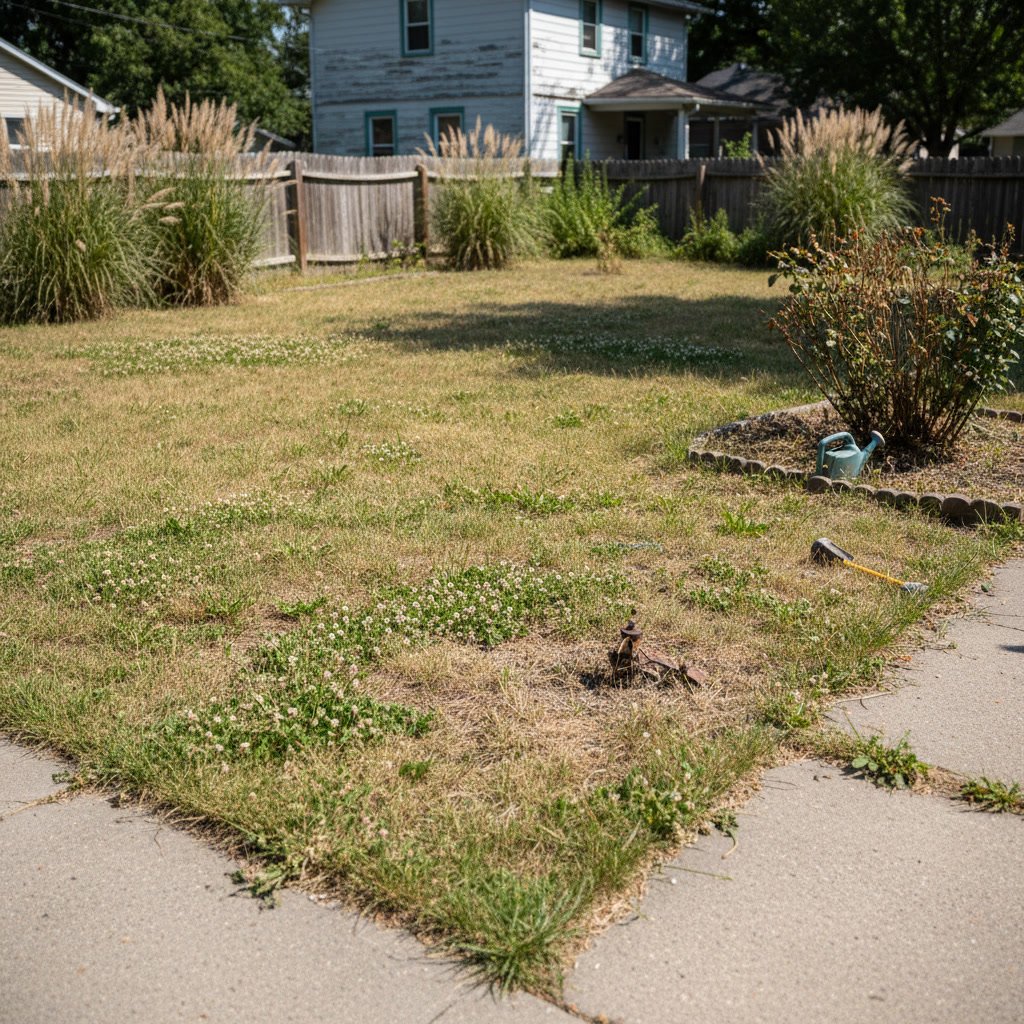
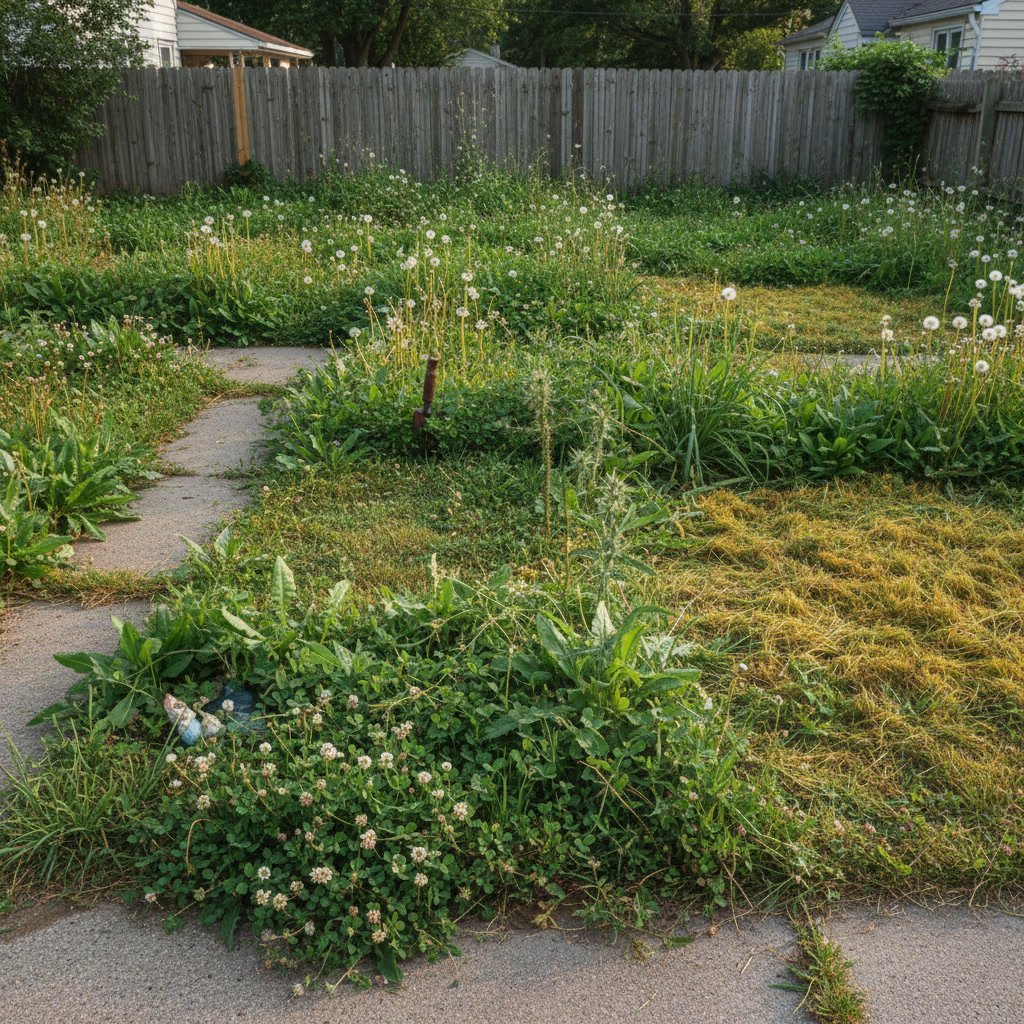
Weeds are opportunists that thrive where grass is weak. If your lawn has more crabgrass, dandelions, or clover than turf, the underlying problem is not the weeds themselves but the conditions that allow them to outcompete your grass. Thin turf, compacted soil, and nutrient deficiencies create the perfect environment for invasive species.
Effective weed control starts with promoting dense, healthy grass that crowds out invaders. This requires a combination of fertilizing, aeration, overseeding, and pre-emergent herbicide application timed to your grass type and local climate. A single round of weed killer provides temporary relief, but without addressing the root cause, weeds return within weeks.
Thatch Buildup and Hard, Compacted Soil
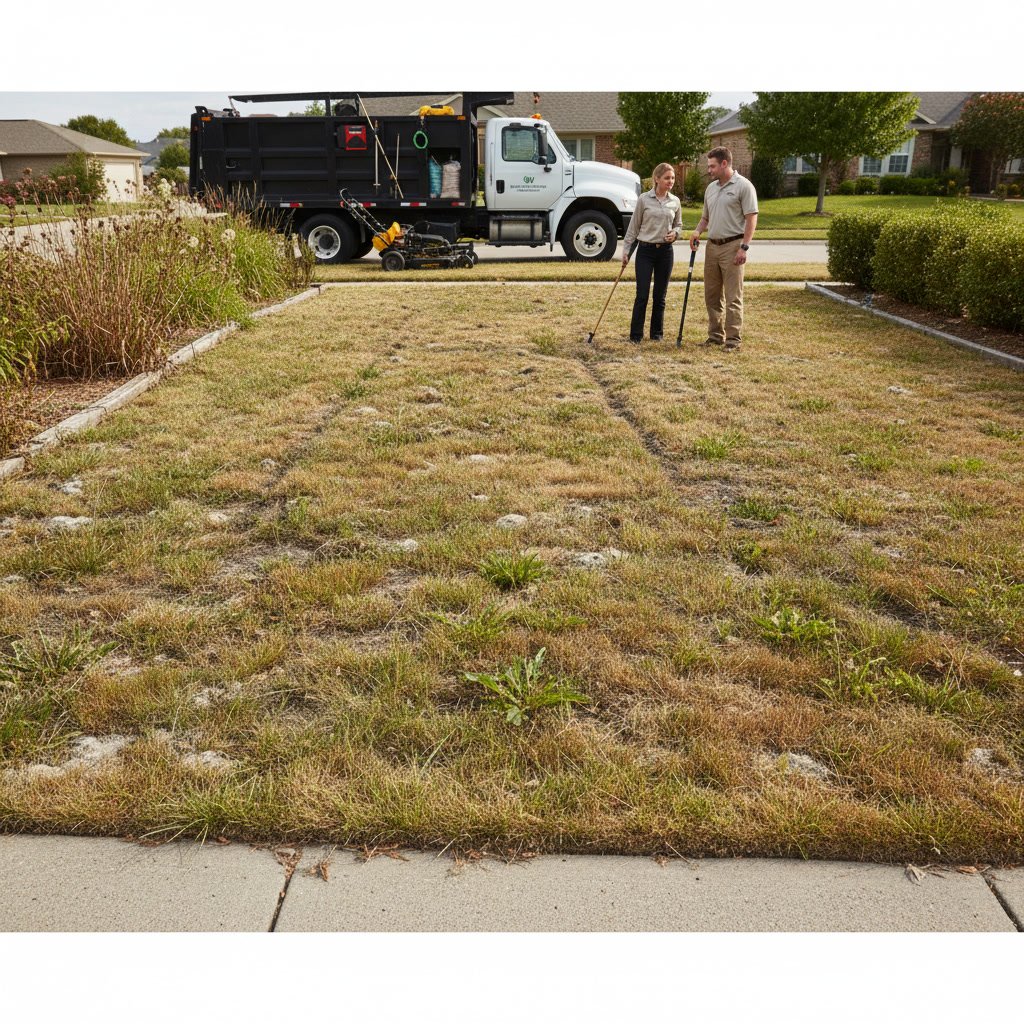
You can test for thatch by cutting a small wedge from your lawn and measuring the spongy layer between the grass and soil. Anything over half an inch needs to be removed. Thatch buildup prevents water, air, and nutrients from penetrating the soil, and it creates a habitat for pests and disease. Power raking or vertical mowing cuts through this layer, but the process is labor-intensive and requires equipment most homeowners do not own.
Soil compaction is equally damaging. When soil particles are pressed tightly together, roots cannot expand, and water runs off instead of soaking in. Core aeration removes small plugs of soil, creating channels that allow air, water, and nutrients to reach the root zone. The process also stimulates new root growth and helps break down thatch naturally. For Long Island homeowners dealing with heavy clay soil, dethatching and aeration should be performed at least once per year, ideally in early fall for cool-season grasses.
Yellowing Grass and Nutrient Deficiencies
Grass that turns yellow or pale green, even with adequate watering, likely suffers from nitrogen deficiency or iron chlorosis. Nutrient imbalances develop when soil pH drifts out of the optimal range or when years of mowing have depleted the soil without replenishment. Clippings left on the lawn return some nutrients, but they are rarely enough to sustain vigorous growth.
Soil testing reveals exactly which nutrients are lacking and what amendments are needed. Professional fertilization programs deliver the right balance of nitrogen, phosphorus, and potassium at the right times, matched to your grass type and seasonal growth patterns. Over-fertilizing or using the wrong formulation can burn grass, leach into groundwater, or promote excessive top growth at the expense of root development. Precision matters, and most homeowners lack the knowledge or equipment to apply fertilizer correctly.
Pest Damage and Grub Infestation
Grubs, the larvae of beetles, feed on grass roots and can destroy large sections of turf in a matter of weeks. If you can pull up patches of grass like a loose carpet, grubs are likely the culprit. Birds, skunks, and raccoons that tear up your lawn are often hunting for these pests, causing secondary damage in the process.
Professional pest management includes identifying the specific pest, timing treatments to the insect’s life cycle, and applying targeted products that minimize harm to beneficial organisms. Preventative treatments applied in late spring or early summer stop grubs before they cause damage. DIY products from big-box stores often miss the application window or use concentrations too weak to be effective.
Timing Your Interventions for Maximum Impact
The timing of lawn care services directly affects their success. Aeration works best in early fall for cool-season grasses, when the soil is moist and grass is actively growing. Fertilization schedules vary by grass type, with cool-season varieties requiring heavier feeding in fall and spring, while warm-season grasses need more nutrients in late spring and summer.
Pre-emergent herbicides must be applied before weed seeds germinate, which means early spring for crabgrass and late summer for winter annuals. Miss the window by a week or two, and the treatment is wasted. Understanding the phenology of your local landscape, including when forsythia blooms or when soil temperatures reach 55 degrees, helps professionals time interventions with precision that casual observation cannot match.

Common Lawn Care Issues in Lindenhurst and Surrounding Areas
Long Island properties face unique challenges due to coastal proximity, sandy or clay-heavy soils, and salt exposure from winter road treatments. Homeowners in Lindenhurst and nearby communities deal with high water tables, variable soil quality, and intense summer heat that stresses turf. These conditions make lawns particularly vulnerable to the problems described above.
Professional lawn care providers with local experience understand these regional factors and tailor their services accordingly. They know which grass varieties perform best, when to expect pest pressure, and how to manage irrigation in areas with sandy soil that drains too quickly or clay that holds water too long. This expertise cannot be replicated by following generic online advice or national lawn care calendars.
When to Call in the Experts
If you have tried standard lawn care practices without improvement, or if you notice multiple warning signs appearing at once, professional intervention is overdue. Clean Cut Landscaping LLC brings over a decade of experience diagnosing and treating the full spectrum of lawn health issues, from soil structure problems to pest infestations. The company serves residential and commercial clients throughout the region, combining technical expertise with a commitment to sustainable practices.
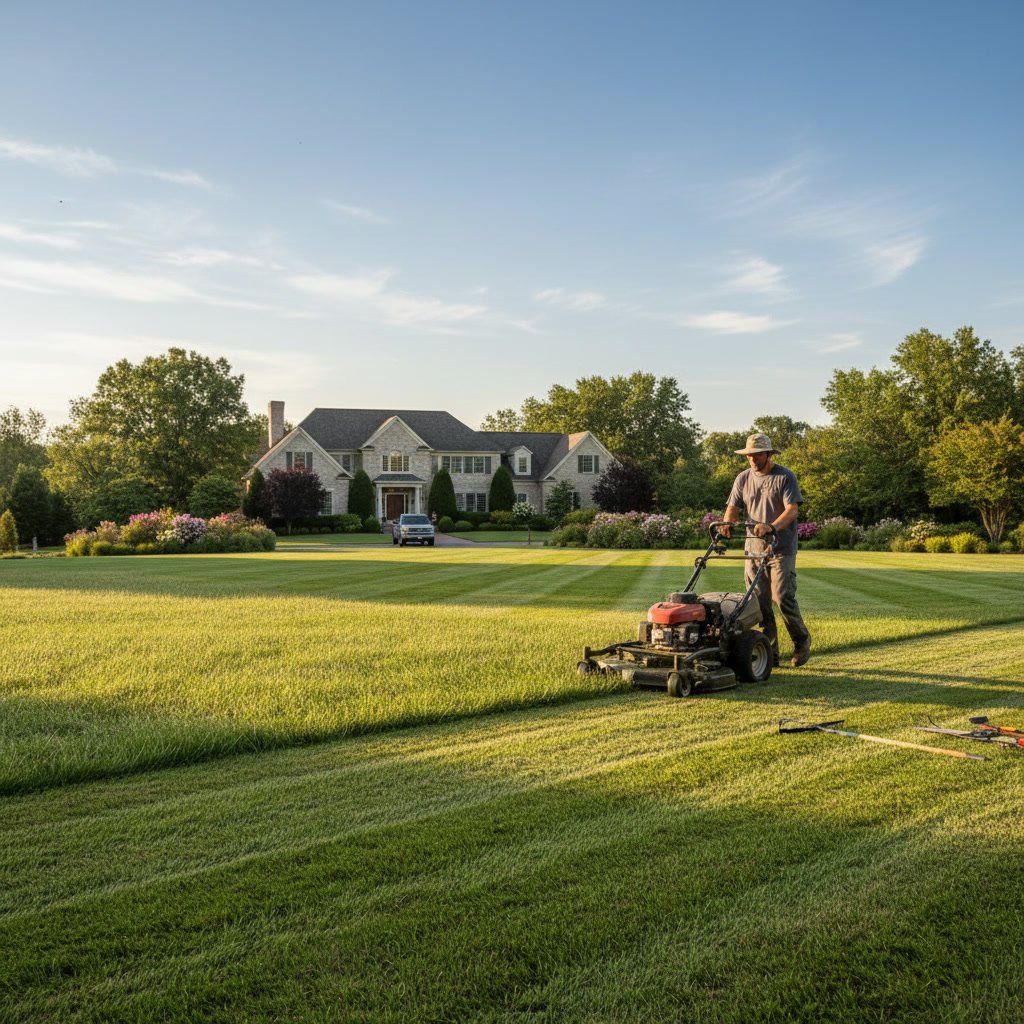
Professional lawn and landscape care is not a luxury reserved for estate properties. It is a practical investment that saves time, prevents costly mistakes, and protects the long-term value of your landscape. A lawn that receives expert care requires less water, fewer chemical inputs, and less frequent repairs, making it both more sustainable and more economical over time.
Recognizing when your turf has crossed the line from routine maintenance needs to professional care requirements protects your investment and ensures your outdoor space remains healthy and attractive year-round. Whether the issue is compacted soil, nutrient imbalance, pest damage, or drainage problems, addressing it promptly prevents minor concerns from becoming major renovations.
Clean Cut Landscaping LLC offers comprehensive lawn care solutions tailored to the specific conditions of Long Island properties. From soil testing and aeration to fertilization and pest management, the team delivers results that transform struggling lawns into thriving landscapes. Call +16315301109 to schedule a consultation and discover what professional care can do for your property.