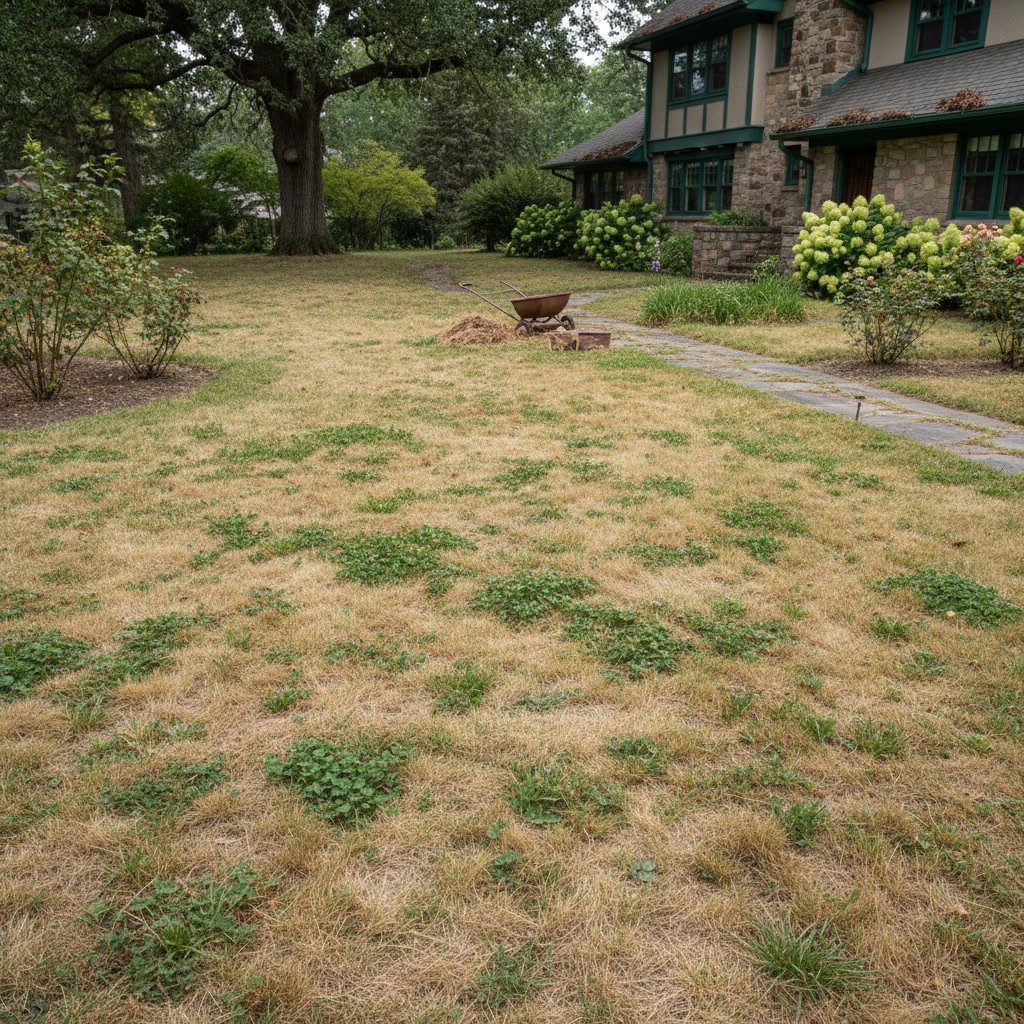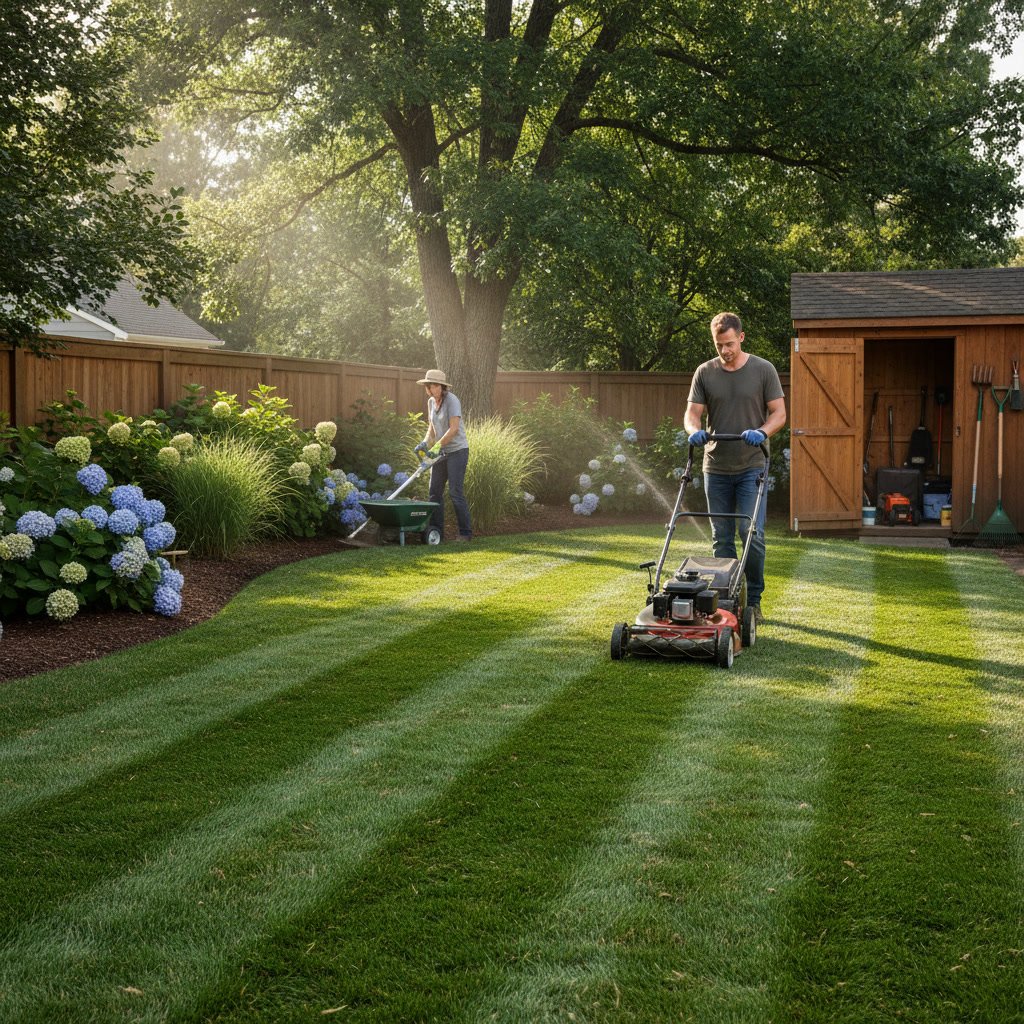
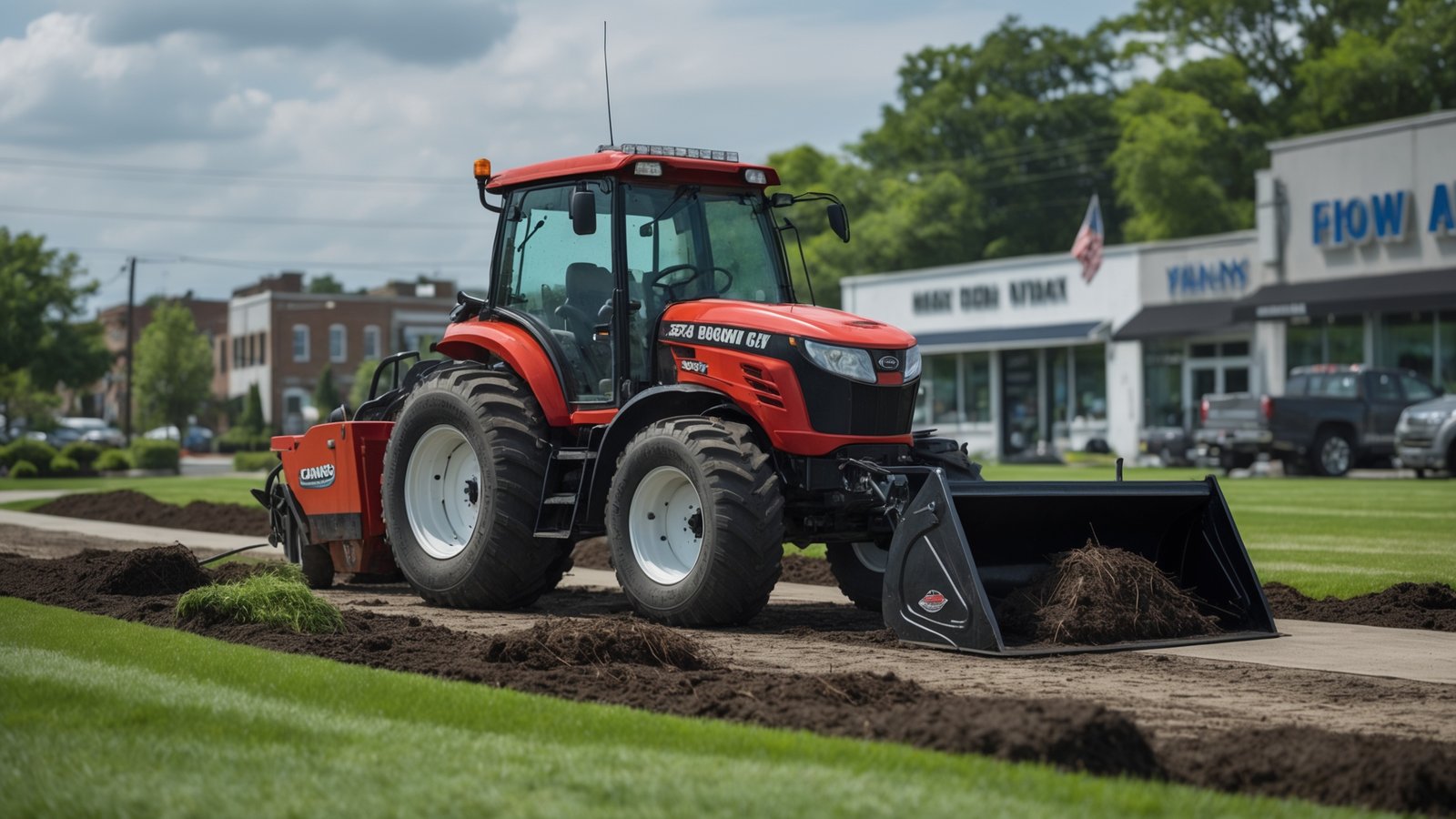
Your lawn looks tired. The grass feels spongy when you walk on it, water pools instead of soaking in, and no amount of fertilizer seems to bring back that lush green color. These are classic signs your lawn needs aeration and dethatching. But before you pick up the phone, you want to know what you’ll pay. The aeration dethatching cost on Long Island typically ranges from $180 to $650 depending on your property size, soil conditions, and the severity of thatch buildup.
This guide breaks down exactly what you can expect to pay in communities like Lindenhurst, Massapequa, Babylon, and West Islip. You’ll learn how lawn care companies calculate pricing, what factors push costs up or down, and whether bundling these services saves money.
Average Costs for Aeration and Dethatching on Long Island
Most Long Island lawn care providers charge by square footage, though some offer flat rates for standard residential lots. Here’s what homeowners typically pay in 2024:
For a 5,000 square foot lawn, expect to pay between $180 and $250 for combined aeration and dethatching. This covers most smaller properties in areas like Seaford and Wantagh.
A 10,000 square foot property, common in Farmingdale and Amityville, usually runs $300 to $425 for both services performed together.
Larger properties of 15,000 to 20,000 square feet, which you’ll find throughout Massapequa Park and West Babylon, typically cost $500 to $650 when you combine aeration and dethatching.
If you’re purchasing these services separately, dethatching alone costs $80 to $200 for a 5,000 square foot lawn, while core aeration runs $100 to $250 for the same area. The price per square foot decreases as lot size increases, with most companies charging $0.03 to $0.06 per square foot for aeration and $0.02 to $0.04 per square foot for dethatching.
Pro Tip: Most lawn care companies offer 10-20% discounts when you bundle aeration and dethatching together. Schedule both services during the same visit to maximize savings and improve results.
What Affects Your Final Aeration Dethatching Cost
Several factors determine where your project falls within the price range. Understanding these variables helps you anticipate your actual cost.
Property Size and Accessibility
Square footage is the primary cost driver. Contractors measure your entire lawn area, not just the front yard. Properties with fenced backyards, narrow side gates, or steep slopes require smaller equipment or manual work, which increases labor time and cost by 15-30%.
Thatch Layer Thickness
A healthy lawn has about half an inch of thatch. If your thatch layer exceeds three-quarters of an inch, dethatching takes longer and may require multiple passes. Severely thatched lawns can add $50 to $150 to your total cost.
You can check thatch depth yourself by cutting a small wedge from your lawn and measuring the brown, spongy layer between the green grass and the soil.
Soil Compaction Level
Long Island’s clay-heavy soils compact more than sandy soils. Heavily compacted lawns need more aggressive aeration, potentially requiring two passes in opposite directions. This doubles the time investment and can add $75 to $200 to your bill.
Seasonal Timing
Spring and fall are peak seasons for these services. Scheduling during high-demand periods like late April through May or September through October may result in premium pricing. Some companies offer 10-15% discounts for summer or winter scheduling, though these aren’t ideal times for cool-season grasses.
Additional Services
Many homeowners combine aeration and dethatching with overseeding ($150 to $400) or fertilization ($75 to $200). The lawn is already prepped, making it the perfect time to introduce new grass seed and nutrients. Bundling these services typically costs less than scheduling them separately.
Breaking Down the Two Services
While often performed together, aeration and dethatching address different lawn problems. Understanding each service helps you decide whether you need one or both.
Core Aeration Explained
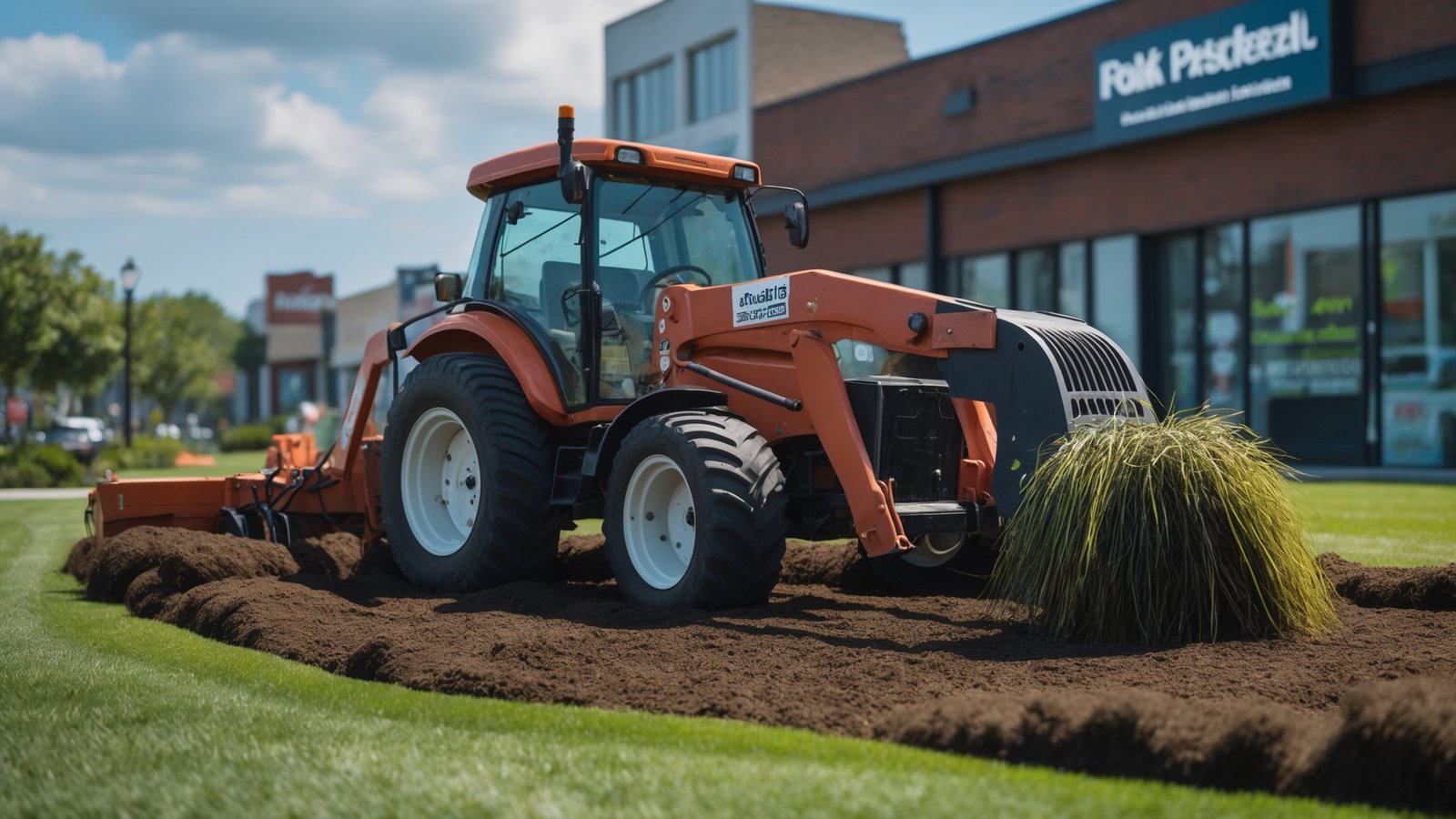
Core aeration removes small plugs of soil, typically two to three inches deep and half an inch in diameter. These holes allow water, oxygen, and nutrients to penetrate compacted soil and reach grass roots.
The process creates hundreds or thousands of tiny holes across your lawn. The removed soil plugs break down within two weeks, returning beneficial microorganisms to the soil surface.
Long Island lawns benefit from aeration because our soil naturally compacts from foot traffic, weather patterns, and the region’s clay content. Most properties need aeration once or twice annually.
Dethatching Process
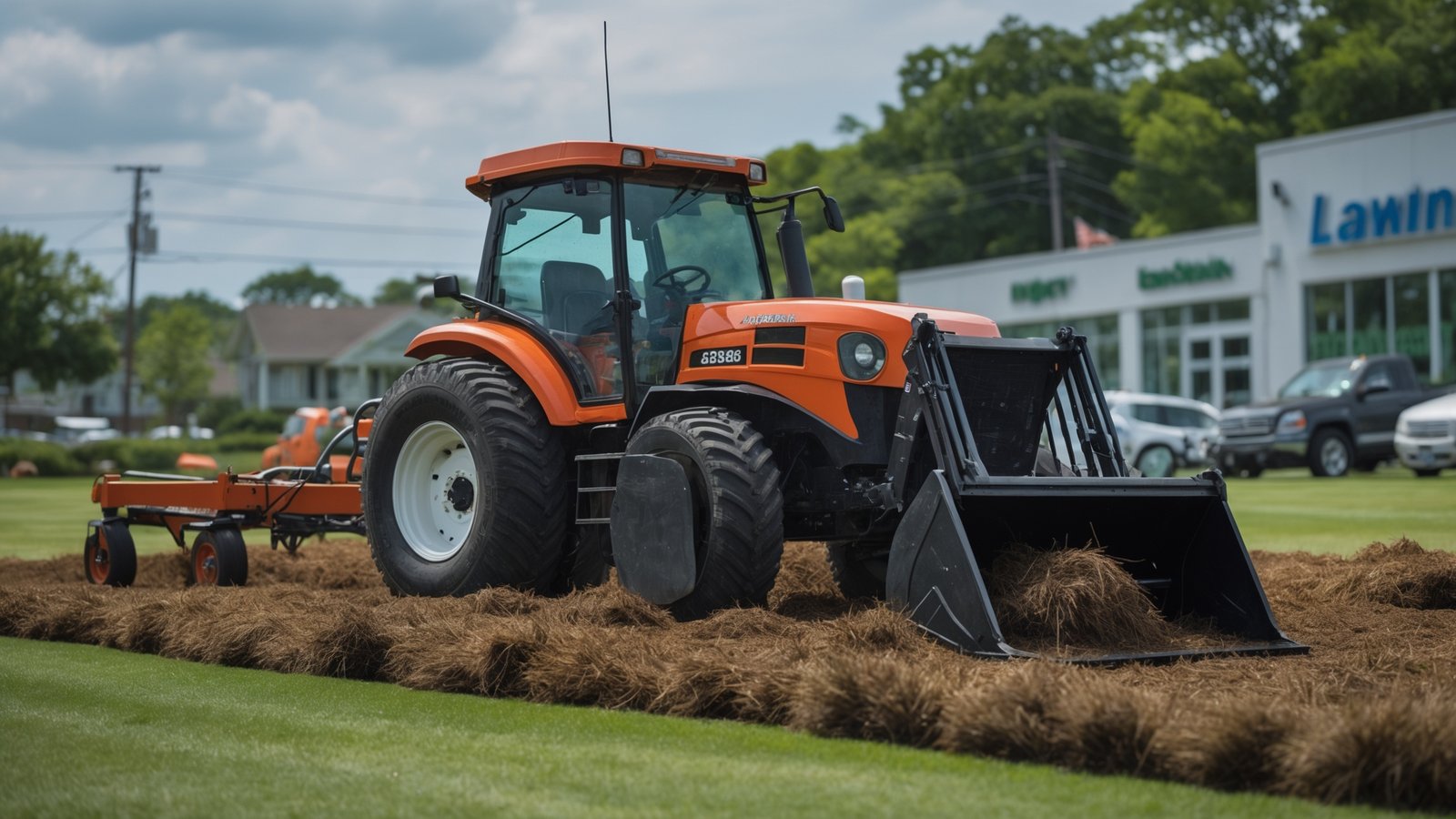
Dethatching uses a specialized machine with vertical blades or spring tines that pull dead grass, roots, and organic debris from the thatch layer. This material sits between living grass blades and the soil, blocking water and nutrients from reaching roots.
The machine rakes up significant amounts of material, which contractors either haul away (included in most quotes) or leave for you to bag and dispose of (reduces cost by $30 to $75).
Most Long Island lawns need dethatching every two to three years, not annually. Over-dethatching stresses grass and creates more problems than it solves.
When to Schedule Aeration and Dethatching
Timing matters as much as technique when renovating your lawn. Schedule these services when grass is actively growing and can quickly recover from the temporary stress.
For cool-season grasses like Kentucky bluegrass, perennial ryegrass, and tall fescue (the most common varieties in Lindenhurst, Babylon, and surrounding areas), early fall is ideal. September through mid-October provides warm soil temperatures and cooler air, perfect conditions for recovery and root growth.
Late spring (late April through May) works as a second-choice window. Avoid summer dethatching, which stresses grass during heat and drought periods. Summer aeration is acceptable if you water consistently, but fall still produces better results.
Never dethatch when grass is dormant. Dormant grass can’t repair the damage, leaving your lawn vulnerable to weeds and disease.
Key Takeaway: Schedule aeration and dethatching when grass is actively growing. For Long Island’s cool-season lawns, early fall delivers the best results with lowest stress on your turf.
DIY vs Professional Service Costs
Renting equipment and doing it yourself seems like an obvious way to reduce your aeration dethatching cost. The math is more complicated than it appears.
Renting a core aerator from a local equipment rental company costs $75 to $125 for four hours. Dethatcher rentals run $60 to $95 for the same period. You’ll also spend $20 to $40 on gas and transportation.
For a typical 8,000 square foot lawn, DIY costs total around $155 to $260 in rentals and supplies. Professional service for the same property runs $275 to $375.
The price difference narrows when you factor in your time. Aerating and dethatching 8,000 square feet takes an inexperienced homeowner four to six hours, plus pickup and return time for rental equipment.
Equipment operation requires physical strength and technique. Aerators weigh 150 to 300 pounds and pull aggressively when running. Poor technique leads to uneven coverage, missed spots, and potential lawn damage that costs more to repair than you saved.
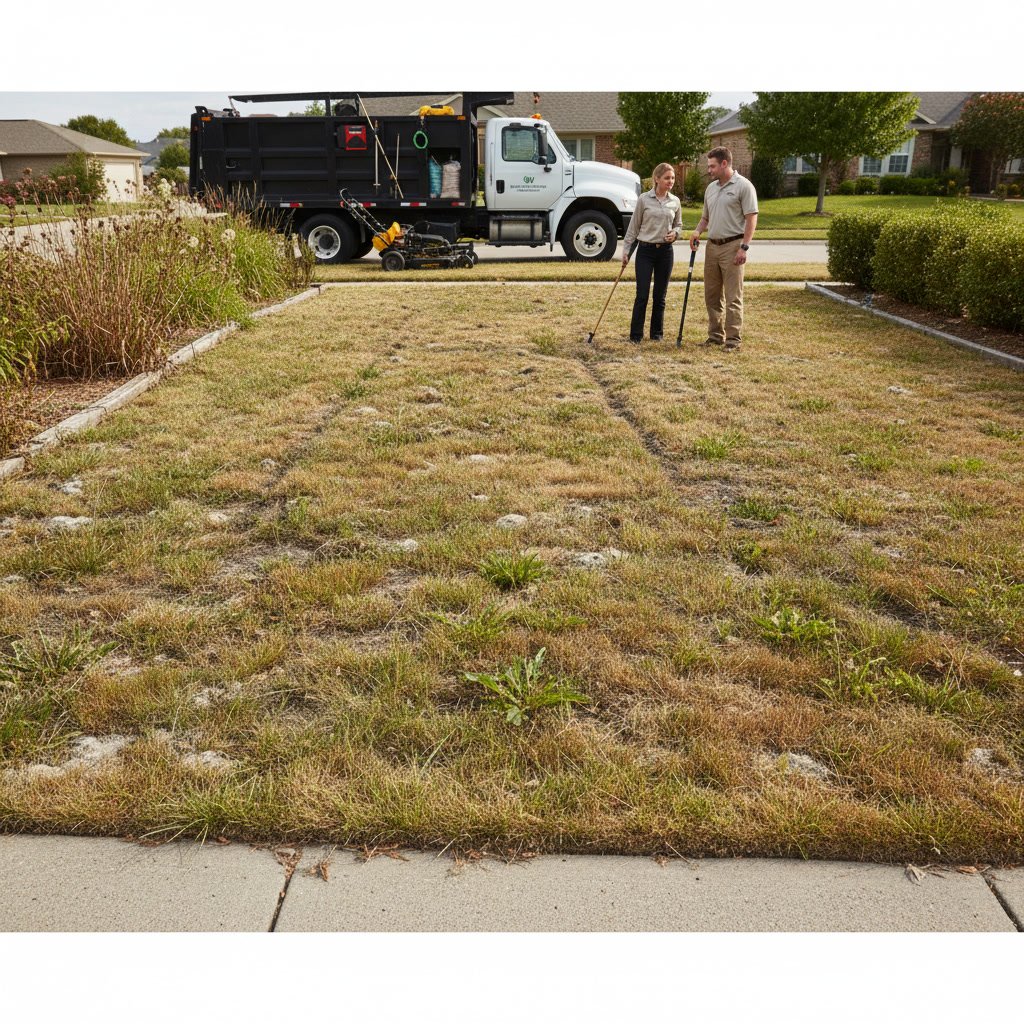
Professional crews complete the same job in 60 to 90 minutes with commercial-grade equipment. They know how to handle slopes, tight corners, and obstacles without damaging sprinkler heads or buried utilities.
What’s Included in Professional Service
Understanding what contractors include helps you compare quotes accurately. Most professional aeration and dethatching services include:
Complete lawn assessment to determine if both services are necessary or if one addresses your specific issues.
Equipment setup and operation using commercial-grade machines that penetrate deeper and cover more area than rental units.
Debris removal and disposal for all thatch material pulled from your lawn.
Post-service recommendations for watering, fertilizing, and overseeding to maximize results.
Some companies include flag marking for sprinkler heads and shallow utility lines. Others charge $25 to $50 for this service. Always ask before work begins.
Reputable contractors won’t automatically perform both services. If your thatch layer measures less than half an inch, dethatching wastes money and potentially harms your turf. A professional assessment ensures you pay only for services your lawn actually needs.
How to Get Accurate Quotes
Getting multiple quotes helps you find fair pricing and avoid overpaying. Follow these steps for accurate estimates:
Measure your lawn area or have property dimensions ready. Don’t guess. Accurate square footage prevents surprise charges when the crew arrives.
Request itemized quotes that break down costs for each service. This transparency helps you compare providers and understand what you’re paying for.
Ask about package deals. Many companies offer seasonal maintenance plans that include aeration, dethatching, fertilization, and weed control at reduced per-service rates.
Verify what’s included in the quoted price. Does it cover debris removal? Do they flag sprinkler heads? Will they rake and haul thatch or leave it for you?
Request references or check online reviews specific to aeration and dethatching work. A company might excel at mowing but lack experience with these specialized services.
Signs Your Lawn Needs These Services
Not every lawn needs aeration and dethatching every year. Watch for these indicators that your turf would benefit:
Water pools on the surface instead of absorbing within 30 minutes. This suggests compacted soil that aeration addresses.
The lawn feels spongy or bouncy when you walk across it, indicating excessive thatch buildup.
Grass shows brown patches despite adequate watering and fertilization. Thatch blocks nutrients and water from reaching roots.
You struggle to push a screwdriver or soil probe more than two inches into the ground, a clear sign of compaction.
The lawn was installed on subsoil after construction. New construction homes in Massapequa, Farmingdale, and West Islip often have severely compacted soil from heavy equipment.
High traffic areas near walkways, driveways, or play areas show thin, struggling grass while other areas remain healthy.
Long-Term Value and Return on Investment
The aeration dethatching cost represents an investment in your lawn’s health, not just an expense. Properly aerated and dethatched lawns require less water (15-30% reduction), fewer applications of fertilizer, and reduced pesticide use.
Compacted, thatchy lawns force you to compensate with more inputs. You water more frequently because moisture doesn’t penetrate. You fertilize more often because nutrients can’t reach roots. You treat more disease because poor air circulation creates ideal conditions for fungal problems.
Addressing these core issues through aeration and dethatching reduces your annual lawn care costs by $200 to $500 while improving appearance and increasing property value.
A healthy, well-maintained lawn adds 5-10% to home values in Long Island communities. For a $450,000 home in Babylon or Amityville, that’s $22,500 to $45,000 in additional value from curb appeal improvements.
Frequently Asked Questions
Should I aerate or dethatch first?
Dethatch before aerating for best results. Removing the thatch layer first allows the aerator to pull cleaner soil cores and ensures better soil-to-surface contact. If you aerate first, thatch can clog the aerator tines and reduce effectiveness.
How long does it take for my lawn to recover after aeration and dethatching?
Most lawns show visible improvement within two to three weeks. The soil plugs from aeration break down in 10-14 days, and grass fills in bare spots within three to four weeks if you water properly. Full recovery and maximum benefits appear after six to eight weeks.
Can I aerate and dethatch the same day I overseed?
Yes, this is actually the ideal approach. Aeration and dethatching create perfect conditions for seed-to-soil contact. Apply grass seed immediately after these services, then water lightly twice daily for two weeks. The combination produces significantly better germination rates than seeding alone.
How often do Long Island lawns need aeration and dethatching?
Most Long Island properties benefit from annual aeration, especially if they have clay soil or receive moderate to heavy traffic. Dethatching is needed less frequently, typically every two to three years. Your specific schedule depends on grass type, soil conditions, and maintenance practices.
Does aeration and dethatching damage my lawn?
Both services create temporary cosmetic disruption. You’ll see soil plugs scattered across your lawn after aeration and pulled thatch material after dethatching. This is normal and beneficial. The lawn recovers quickly when performed during active growth periods, emerging healthier and more vigorous than before.
Making the Investment Work for Your Property
Understanding the aeration dethatching cost helps you budget appropriately for essential lawn care. For most Long Island homeowners in Lindenhurst, Massapequa, West Babylon, and surrounding communities, the $180 to $650 investment pays dividends through reduced water use, better fertilizer efficiency, and a healthier, more attractive lawn.
The key is working with experienced professionals who assess your specific needs rather than applying a one-size-fits-all approach. Your lawn’s condition, soil type, and grass variety all influence which services deliver the best value.
Clean Cut Landscaping LLC provides professional aeration and dethatching services throughout Long Island, backed by over a decade of experience in lawn and landscape care. Our team evaluates your property’s specific conditions and recommends only the services that benefit your turf. Call us at +16315301109 to schedule an assessment and receive a detailed quote for your property.