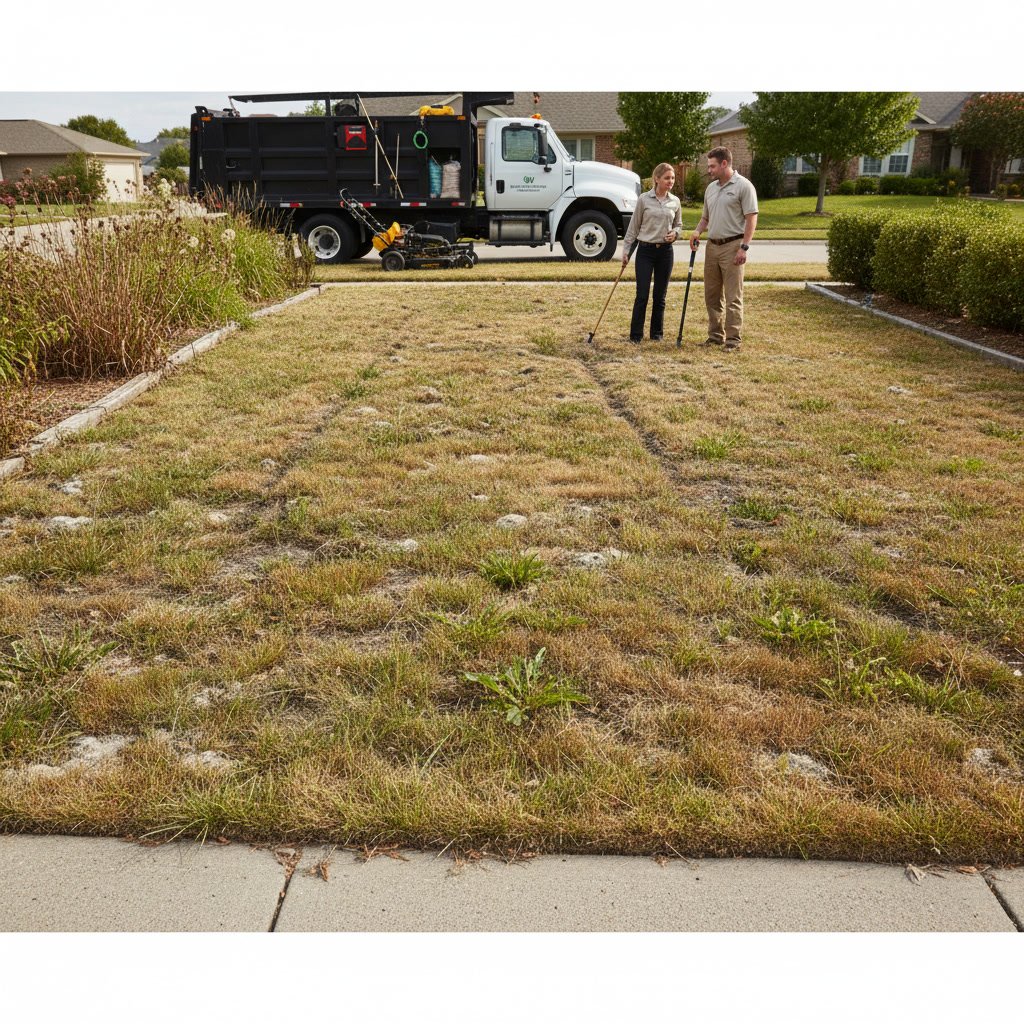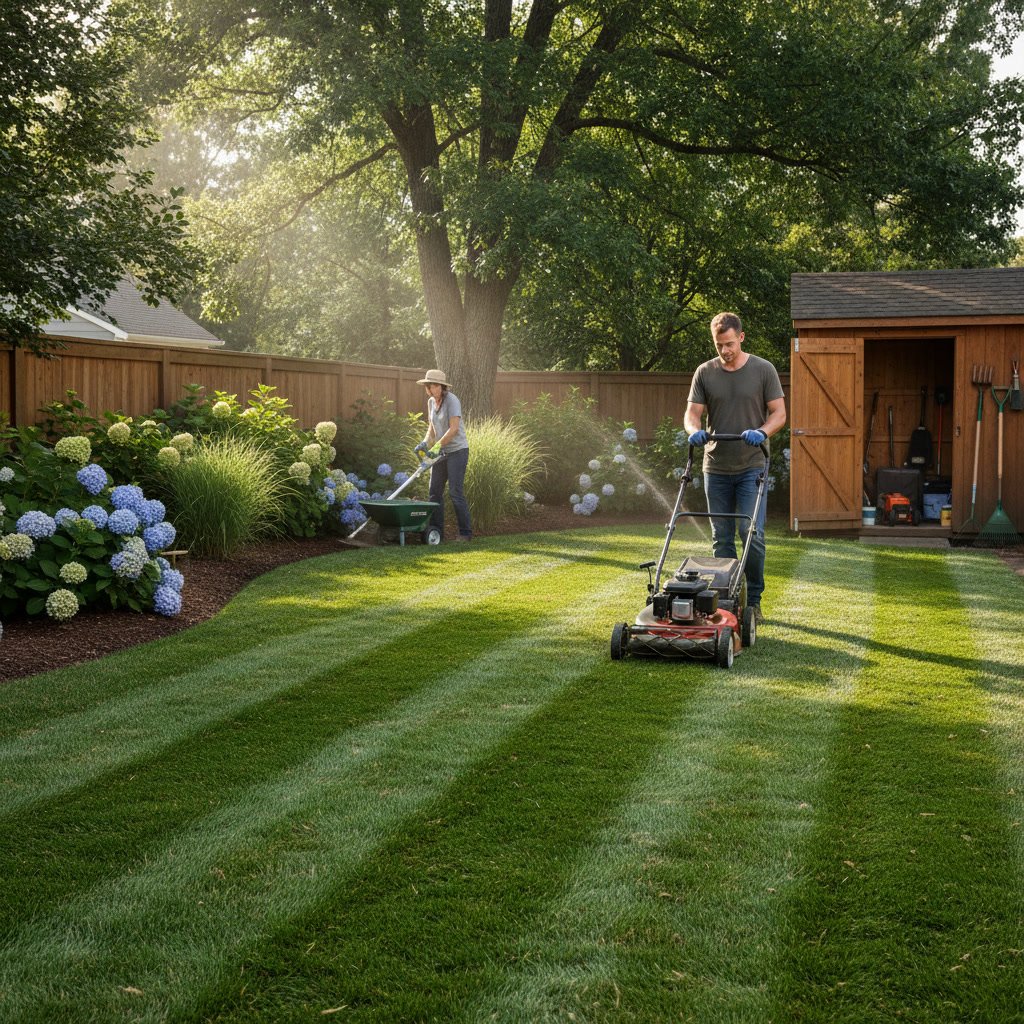
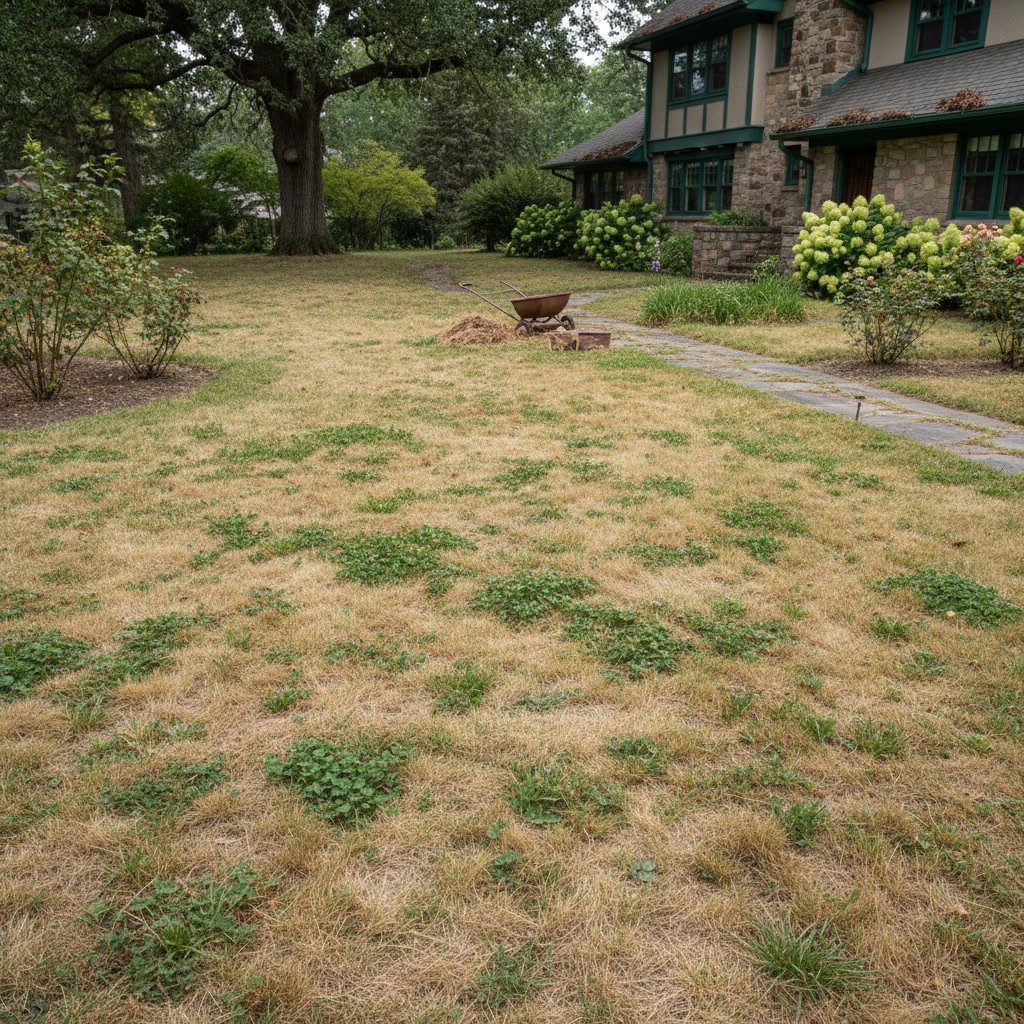
Professional fertilization becomes necessary when your lawn displays patchy growth, color inconsistencies, or fails to recover from stress despite regular feeding. Recognizing the signs need fertilization early can prevent permanent damage to your turf and soil structure. This guide walks you through the specific indicators that basic lawn feeding is no longer enough for your property.
Why Standard Lawn Feeding Sometimes Falls Short
Most homeowners apply granular fertilizer a few times per season and expect consistent results. The reality is that soil conditions, grass type, and environmental factors create unique nutrient demands that change throughout the year. Off-the-shelf products deliver a one-size-fits-all formula that may not address deficiencies in nitrogen, phosphorus, or potassium specific to your yard.
Soil pH imbalances, for example, prevent grass roots from absorbing nutrients even when they are present. Clay-heavy soil common across Long Island locks nutrients away from plant roots, while sandy soils drain fertilizer before grass can use it. Understanding these dynamics is the first step toward recognizing when professional intervention becomes necessary.
Persistent Color Problems That Basic Products Cannot Fix
Yellowing grass is the most common visual cue that something is wrong. When your lawn remains pale or develops yellow streaks weeks after applying fertilizer, the issue runs deeper than surface feeding. Nitrogen deficiency causes overall yellowing, while iron deficiency creates a striped pattern where veins stay green but leaf tissue turns yellow.
Dark green patches next to pale areas signal uneven nutrient distribution. This often happens when fertilizer application misses spots or when soil compaction prevents roots from accessing nutrients in certain zones. Professional soil testing reveals the exact deficiencies, allowing targeted treatment rather than guesswork. Our fertilizing services include soil analysis to create custom nutrient programs.
Weak Root Development and Poor Stress Recovery
Healthy grass bounces back quickly after foot traffic, drought, or heat waves. If your lawn develops bare spots that refuse to fill in, or if grass blades tear rather than bend when walked on, root systems are compromised. Phosphorus drives root growth, and without adequate levels, turf remains shallow and vulnerable.
You can test root depth by pulling gently on a grass clump. Healthy turf resists, while poorly rooted grass lifts easily from the soil. Root systems should extend at least three to four inches deep for cool-season grasses common in New York. Anything shallower indicates a need for professional assessment and amendment.
Increased Weed and Pest Pressure in Lindenhurst Yards
Weeds thrive in nutrient-depleted soil because many species tolerate poor conditions better than desirable grasses. When dandelions, crabgrass, or clover suddenly dominate sections of your lawn, they are filling the vacuum left by weakened turf. Fertilization alone will not eliminate weeds, but proper nutrition gives grass the competitive advantage to crowd them out.
Pests also target stressed lawns. Grubs feed more heavily on weak roots, and chinch bugs prefer dry, undernourished grass. A robust fertilization program strengthens plant tissue and improves drought tolerance, making your lawn less attractive to destructive insects. Properties in Lindenhurst often face unique challenges due to coastal humidity and salt exposure that further stress turf.
Soil Compaction and Drainage Issues Blocking Nutrient Uptake
Compacted soil chokes grass roots by reducing oxygen availability and water infiltration. Even the best fertilizer cannot help if roots cannot penetrate the ground to access it. Clay soil compacts easily under foot traffic, lawn equipment, and seasonal freeze-thaw cycles.
Standing water after rainfall or irrigation is a clear sign of compaction. If puddles remain on your lawn for more than a few hours, soil structure needs attention before fertilization can be effective. Core aeration creates channels for nutrients, water, and air to reach roots. For context on related services, aeration and dethatching costs vary based on lawn size and condition.
Thatch Buildup Creating a Barrier to Nutrient Absorption
Thatch is the layer of dead grass, roots, and organic matter that accumulates between soil and living grass. A thin layer under half an inch is beneficial, acting as mulch. Anything thicker blocks water and fertilizer from reaching roots while harboring disease and pests.
You can measure thatch by cutting a small wedge from your lawn and examining the cross-section. If the spongy brown layer exceeds half an inch, dethatching is necessary before professional fertilization. Combined dethatching and aeration services prepare your lawn to absorb nutrients efficiently.
Seasonal Stress Patterns and Recovery Failures
Spring green-up should happen naturally as soil temperatures reach 50 degrees. If your lawn remains dormant into late April or early May, winter depletion was severe and spring fertilization came too late or in insufficient amounts. Fall fertilization is equally critical, building carbohydrate reserves that fuel spring growth.
Summer heat stress reveals nutrient deficiencies as well. Grass should maintain color and density through July and August with proper watering. Brown patches that do not recover with irrigation alone indicate potassium deficiency, which regulates water use within plant cells. Professional programs time applications to match grass growth cycles and stress periods.
New Construction and Soil Disturbance Challenges
Recently built homes or properties with landscaping renovations face unique fertilization needs. Construction strips topsoil, compacts subsoil, and often leaves behind debris that interferes with grass establishment. Builder-grade lawn installations typically use minimal topsoil depth, sometimes only two inches, which limits root growth and nutrient storage.
If you moved into a new home within the past two years and your lawn struggles despite regular care, soil quality is likely the issue. Professional grading and topsoil amendment may be necessary alongside targeted fertilization. For properties considering full lawn replacement, understanding the best time to install sod helps coordinate soil preparation with turf establishment.
Comparing DIY Fertilization to Professional Programs
Homeowner fertilization relies on timed-release granules available at garden centers. These products deliver predictable results for average soil in average conditions. Professional programs use liquid or custom-blended granular products with precise nutrient ratios, micronutrients, and soil amendments tailored to test results.
Application timing also differs. Professionals schedule five to seven treatments per year, adjusting formulas seasonally. Spring applications emphasize nitrogen for growth, summer blends include potassium for stress tolerance, and fall treatments focus on phosphorus and potassium for root development. DIY programs typically include only three to four generic applications.
Equipment makes a difference as well. Commercial spreaders and spray rigs ensure even coverage, while handheld spreaders often leave gaps or overlap that create striping. Professionals calibrate equipment to soil and weather conditions, reducing waste and environmental impact.
Advanced Soil Testing and Custom Nutrient Plans
Professional fertilization begins with soil testing that measures pH, organic matter content, and levels of major and minor nutrients. Labs return results with specific recommendations for lime, sulfur, nitrogen, phosphorus, potassium, and micronutrients like iron, manganese, and magnesium.
Testing should happen every two to three years, or immediately if your lawn shows persistent problems. Fall is the ideal time because results inform planning for the following season. Without testing, you are guessing at what your lawn needs, which wastes money and risks over-application that harms grass and pollutes groundwater.
Custom nutrient plans account for grass type, soil composition, sun exposure, and your goals for lawn appearance and use. Athletic fields require different nutrition than ornamental lawns. Shaded areas need less nitrogen than full-sun zones. Professionals adjust programs as conditions change, something pre-packaged products cannot do.
Making the Right Choice for Long-Term Lawn Health
Recognizing warning signals early saves time and money over the long term. Pale color, weak recovery from stress, increased weed pressure, and soil compaction all indicate your yard has outgrown basic feeding. Professional fertilization addresses root causes rather than symptoms, building soil health that supports vibrant turf for years.
Investment in proper nutrition pays dividends through reduced watering needs, fewer pest problems, and less frequent reseeding. A well-fed lawn also contributes to property value and outdoor enjoyment. Comprehensive lawn and landscape care ensures all aspects of your outdoor space work together for optimal results.
Clean Cut Landscaping LLC brings over a decade of experience diagnosing and treating nutrient deficiencies across Long Island properties. Our team combines soil science with practical field knowledge to deliver measurable improvements in turf health, density, and color. If your lawn shows any of these warning signs, professional assessment is the first step toward lasting solutions. Reach out to discuss your property’s specific needs at +16315301109.