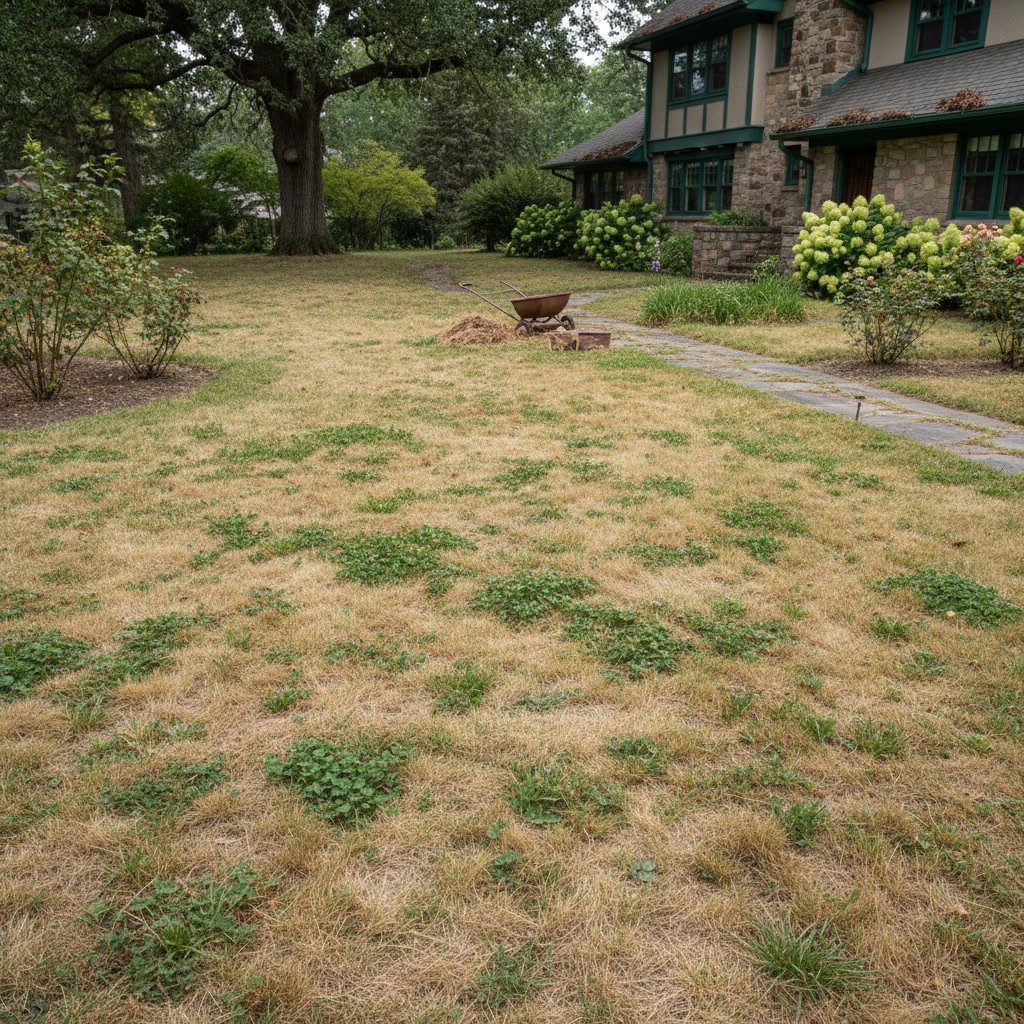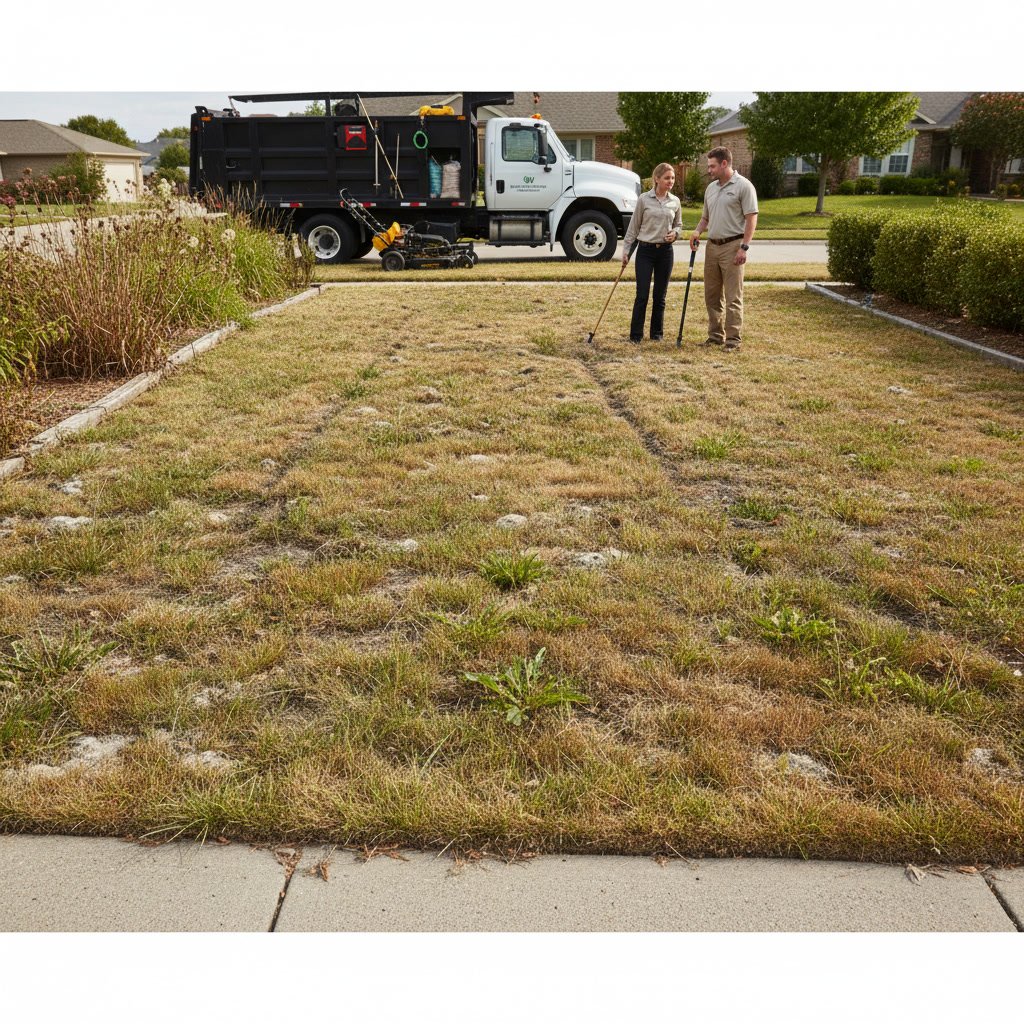
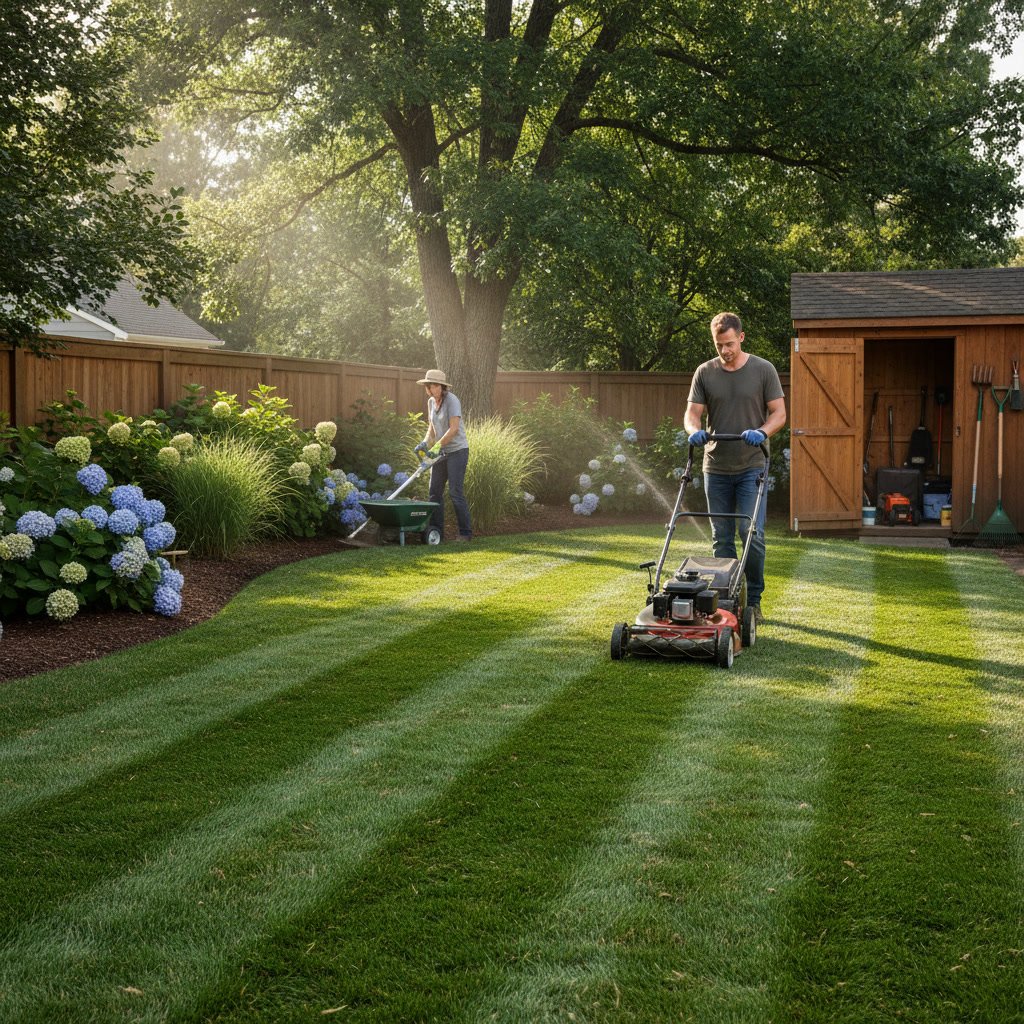
The ideal mowing frequency depends on grass type, season, and growth rate. Most lawns thrive with weekly mowing during peak spring and fall growth, cutting no more than one-third of the blade height at a time to maintain root health and moisture retention. Understanding how often mow lawn schedules should adjust throughout the year helps prevent stress, disease, and the brown patches that plague poorly timed cuts.
Why Mowing Frequency Matters More Than You Think
Grass is a living organism that responds to cutting stress. When you remove too much blade length at once, you force the plant to divert energy from root development to leaf regrowth. This weakens the entire lawn system, making it vulnerable to drought, pests, and weed invasion. Consistent mowing at the right intervals keeps blades in their optimal photosynthesis zone while encouraging lateral growth that fills in bare spots naturally.
Professional landscapers measure lawn health not just by color but by density and resilience. A properly mowed lawn develops deeper roots, better drought tolerance, and natural weed suppression. The difference between a mediocre lawn and an exceptional one often comes down to timing rather than products or treatments.
Understanding Grass Growth Cycles on Long Island
Cool-season grasses dominate Long Island landscapes, including Kentucky bluegrass, perennial ryegrass, and tall fescue. These varieties grow most aggressively when soil temperatures range between 50 and 65 degrees, typically during April through June and September through October. During these peak periods, your lawn can grow one to two inches per week under ideal moisture and temperature conditions.
Summer heat slows cool-season grass growth considerably. July and August often see growth rates drop to half an inch per week or less, especially during dry spells. Winter dormancy halts growth entirely from late November through early March. Recognizing these natural cycles helps you avoid over-mowing when grass is stressed and under-mowing when it’s thriving.
The One-Third Rule and Why It Works
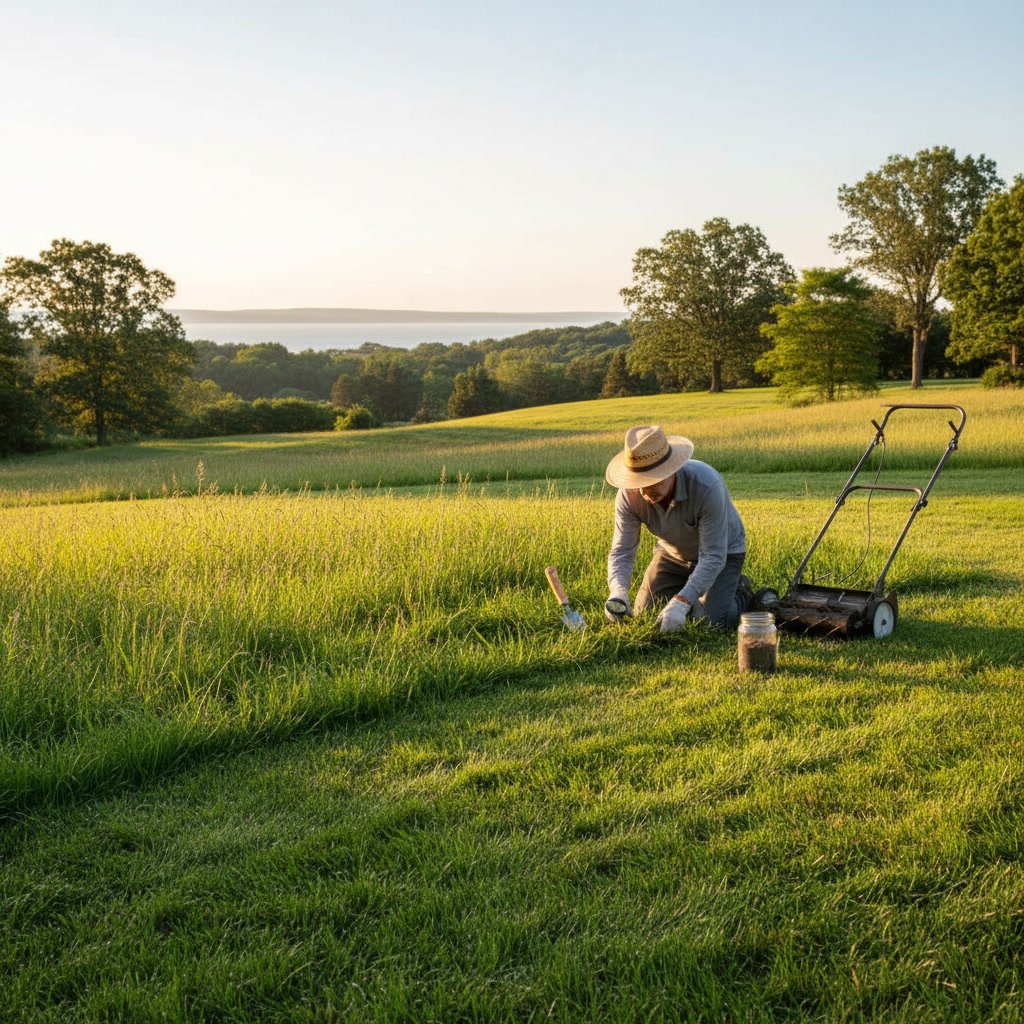
Never remove more than one-third of the grass blade length in a single mowing session. This guideline exists because grass blades store energy and moisture in their lower portions. When you scalp a lawn by cutting too short or removing too much at once, you expose tender crown tissue to sun stress, create entry points for disease, and shock the root system.
If your lawn grows to six inches tall, cut it back to four inches, not three. If heavy rain or a missed week causes excessive growth, mow twice over three days rather than scalping it in one pass. This practice maintains the protective canopy that shades roots and retains soil moisture while keeping the lawn looking manicured.
Spring Mowing Schedule for Peak Growth
Begin mowing in early April when grass reaches about three inches. During the first few weeks, a 10-day schedule often suffices as growth accelerates slowly. By mid-May, shift to a seven-day rotation. Wet springs may require mowing every five to six days to keep up with rapid growth, especially if you fertilize.
Set your mower deck to three to three and a half inches for most cool-season varieties. This height protects roots from late spring heat spikes while allowing enough blade surface for vigorous photosynthesis. Spring is also when dethatching and aeration services prepare lawns for summer by improving water penetration and reducing compaction.
Summer Adjustments When Heat Slows Growth
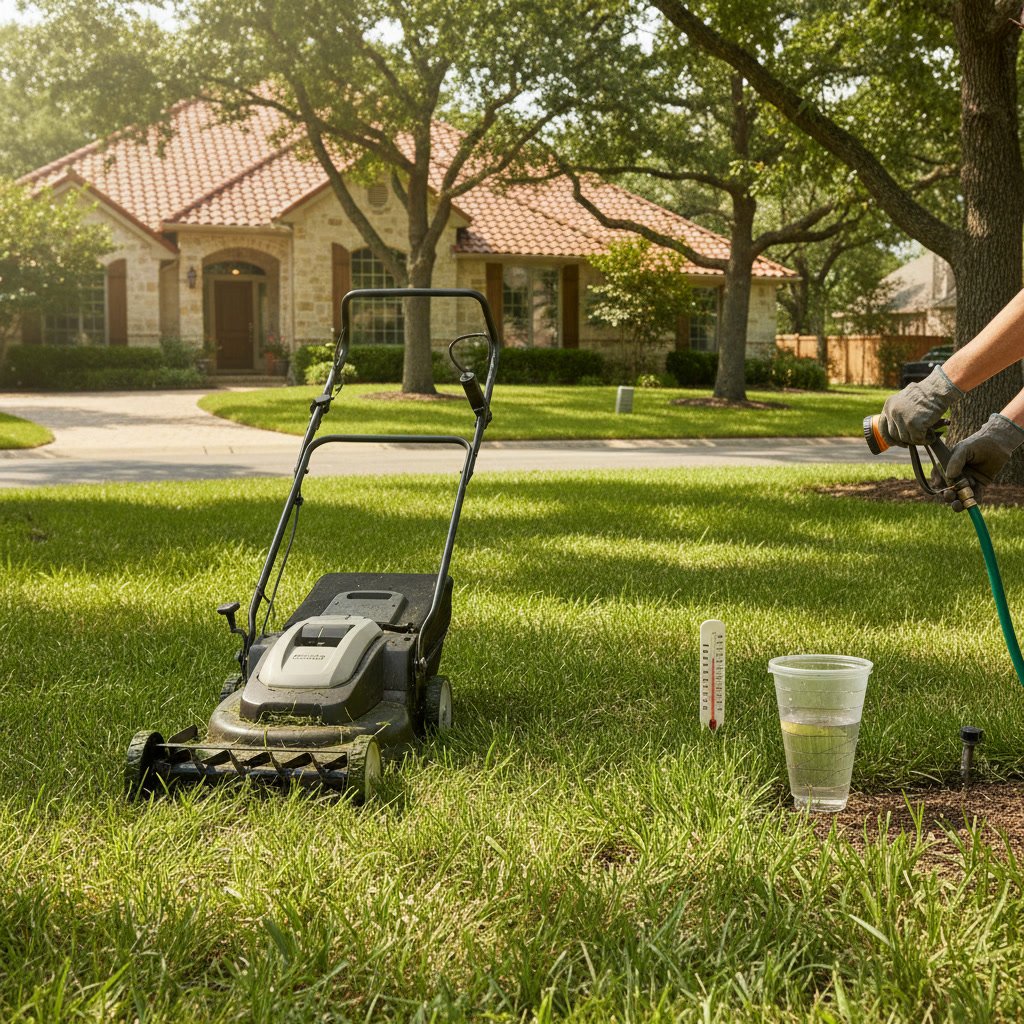
Raise your mower deck to three and a half to four inches from late June through August. Taller grass shades soil, reduces evaporation, and keeps roots cooler during heat waves. Growth slows dramatically, so most Long Island lawns need mowing only every 10 to 14 days in midsummer, sometimes less if rainfall is scarce.
Never mow during extreme heat or drought stress. If grass turns blue-gray or footprints remain visible after walking across the lawn, it’s too dry to cut. Wait for rain or irrigation to restore turgor pressure. Cutting stressed grass compounds damage and invites crabgrass and other opportunistic weeds.
Fall Mowing for Winter Preparation in Lindenhurst
September through mid-November brings a second growth surge as temperatures cool and morning dew returns. Resume weekly mowing, maintaining that three to three and a half inch height. Fall is when grass stores carbohydrates in roots for winter survival, so proper mowing maximizes this energy banking process.
For your final mowing of the season, typically in late November, drop the deck to two and a half inches. This lower cut prevents snow mold and matting under winter snow cover. Pair this timing with seasonal cleanup to remove leaves and debris that can smother grass over winter months.
Mowing Frequency by Grass Type
Kentucky bluegrass, the most common Long Island variety, demands weekly mowing during peak seasons. It spreads through rhizomes and responds well to regular cutting by thickening laterally. Perennial ryegrass grows slightly faster and may require mowing every five to six days in late spring. Tall fescue, increasingly popular for its drought tolerance, grows more slowly and often needs cutting only every eight to 10 days even during peak periods.
Fine fescues, used in shady areas or low-maintenance lawns, grow even slower and tolerate longer intervals between cuts. If you’re considering new turf, understanding these growth patterns helps you choose varieties that match your maintenance preferences and schedule.
Signs You’re Mowing Too Often or Not Enough
Over-mowing shows up as thin, weak grass with shallow roots and increased weed pressure. If your lawn looks stressed, turns brown quickly after rain stops, or requires constant watering, you may be cutting too frequently or too short. Scalping marks, where the mower exposes soil on high spots, indicate you’re either mowing too low or the lawn needs grading to level uneven areas.
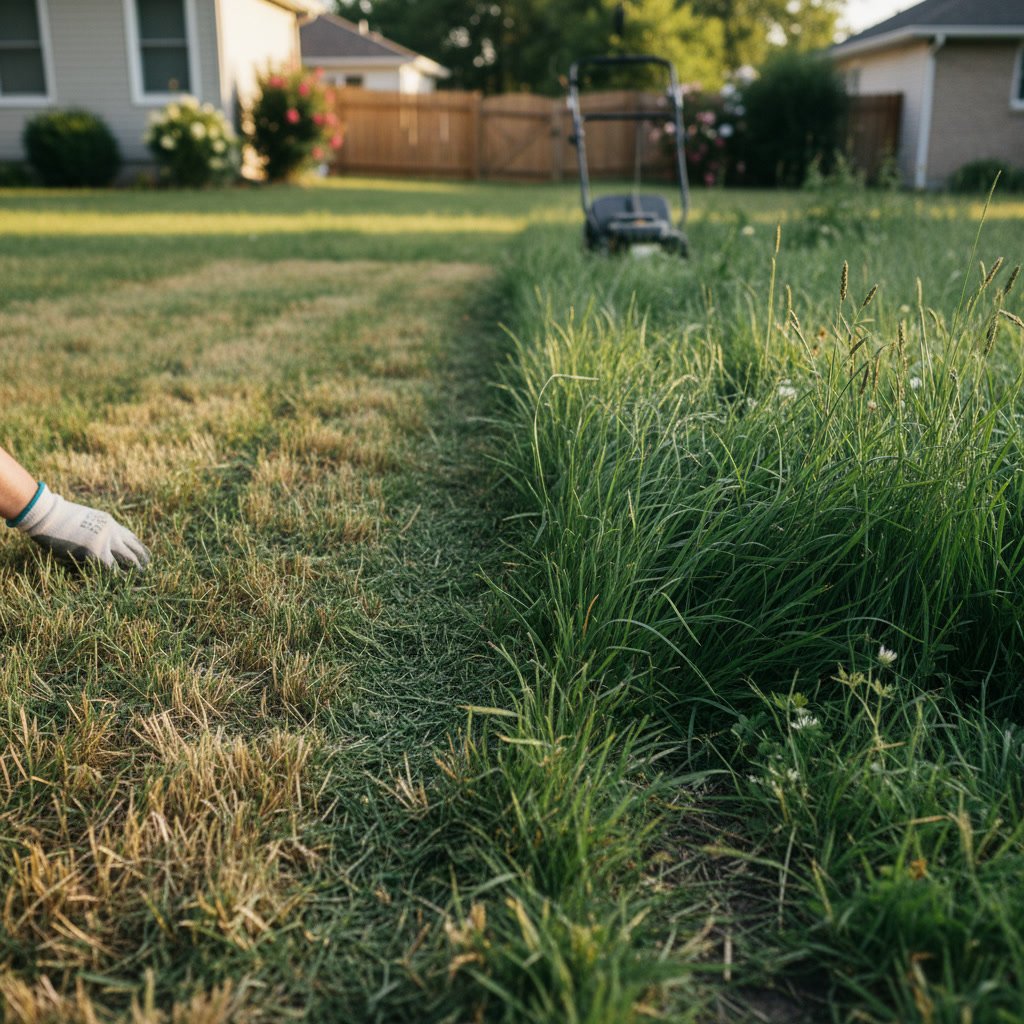
Under-mowing creates a shaggy appearance and encourages thatch buildup. Grass that flops over after cutting or produces excessive clippings indicates you’ve waited too long between sessions. Thick clumps of clippings smother underlying grass and create dead patches. If you consistently remove more than one-third of blade height, increase mowing frequency rather than lowering the deck.
Equipment and Technique Tips for Better Results
Sharp blades make clean cuts that heal quickly. Dull blades tear grass, leaving ragged brown edges that invite disease. Sharpen mower blades every 20 to 25 hours of use, roughly three times per season for most homeowners. A professional edge costs less than 20 dollars and dramatically improves cut quality.
Alternate mowing patterns each session to prevent soil compaction and grass grain. If you mow north-south one week, go east-west the next. This variation encourages upright growth and prevents ruts from forming in heavily trafficked paths. For steep slopes or complex landscape designs, consider professional maintenance that includes proper equipment and trained operators.
When to Mulch Versus Bag Clippings
Mulching returns nitrogen and organic matter to the soil, reducing fertilizer needs by up to 25 percent annually. Leave clippings on the lawn whenever they’re short enough to fall between grass blades rather than sitting on top. This works best when you mow frequently enough that clippings measure less than one inch long.
Bag clippings after extended absences when you’re forced to remove more than one-third of blade height, during wet conditions when clippings clump heavily, or in fall when mixing grass with heavy leaf matter. Bagged clippings make excellent compost material or can supplement vegetable gardens. The decision depends on conditions rather than fixed rules.
Keeping Your Lawn Healthy Year-Round
Proper mowing frequency forms just one pillar of lawn health. Consistent schedules prevent stress and maintain the dense, green appearance that makes outdoor spaces inviting. Combined with appropriate watering, seasonal treatments, and attention to soil health, the right cutting rhythm transforms average turf into a landscape feature that enhances property value and enjoyment throughout every season.
Adjusting your approach as conditions change rather than following rigid calendar dates shows the kind of responsive care that separates thriving lawns from struggling ones. Whether you handle maintenance yourself or rely on professional services, understanding growth patterns and cutting principles gives you the knowledge to make informed decisions for your specific property.
Clean Cut Landscaping LLC brings over a decade of experience to lawn and landscape care throughout Long Island. Our team understands the unique challenges of local soil conditions, weather patterns, and grass varieties. If maintaining the perfect mowing schedule feels overwhelming or you simply want professional results without the time commitment, reach out to discuss customized maintenance plans that keep your property looking its best through every season. Call +16315301109 to schedule a consultation and discover how expert care makes all the difference.